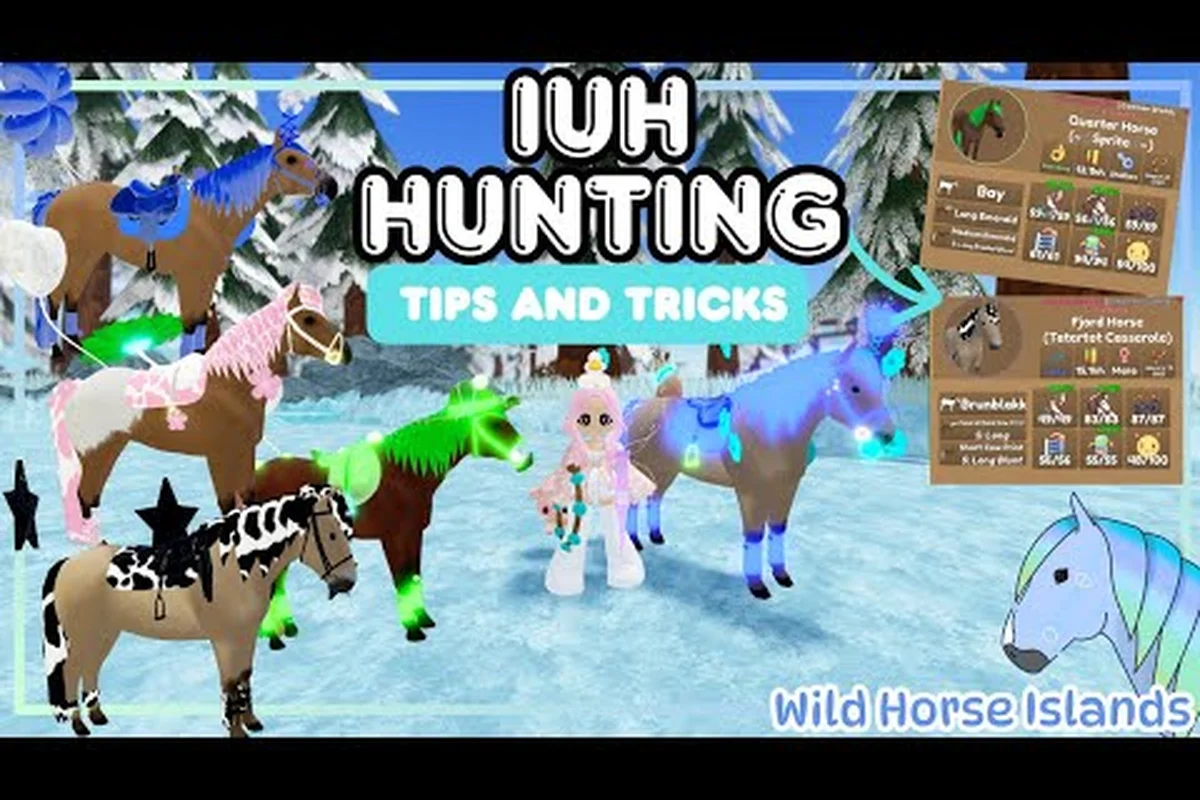
Learning wild horse islands how to sell horses is the single fastest way to turn your catching time into real in-game wealth, because the market rewards players who understand both supply and demand. Whether you are unloading a duplicate coat you caught by accident or running a full-time breeding operation, knowing the exact steps to list, price, and close a sale determines whether you walk away with Moonstone or walk away empty-handed. This guide breaks down every selling method, the best farming spots for resources, and the gem farming strategies that keep your inventory stocked with high-value items.
According to the official Wild Horse Islands on Roblox game page, the market value of a horse is determined by its breed, coat pattern, and stats, with rarer coats and higher tier breeds commanding significantly higher prices when listed in the trading stall.
How Selling Horses and Items Actually Works
The game offers two completely different ways to convert your horses and items into currency, and each one serves a distinct purpose depending on what you are trying to sell. The Market Stand system lets you list horses and items for other players to browse and purchase, while the direct sell mechanic gives you an instant payout from the game itself at a fixed rate. Knowing which one to use for each item type is the foundation of any serious wild horse islands farming guide, because the price difference between the two methods can be massive for rare coats and event items.
According to the official help center, players earn money by selling horses and resources they gather, using market stands to sell to other players, and completing activities. The Market Stand approach is where the real profit lives, since you set your own price and wait for a buyer who values what you are offering. The direct sell option, by contrast, pays a flat amount that never changes, which makes it useful for clearing out common duplicates but terrible for rare finds.
Here is a quick breakdown of when to use each method: if you are selling a single high-value horse with rare coats or stats (like an iuh or a unique crosscoat), the auction-style method on the trading server maximizes bidding wars and gem payouts, whereas the direct-sell method works best for bulk common horses you want to offload quickly for moonstone or low-tier items. For resource farming sessions, listing multiple horses at once via the stall system saves time and lets you keep grinding for gems, but be aware that stall fees cut into your profit margin—so reserve that route for mid-tier horses you don’t mind selling at a slight discount.
-
Market Stand: Use for rare coats, event horses, prismatic gems, and any item with community demand. You control the price and can negotiate through trading chat.
-
Direct Sell: Use for common horses, duplicate resources, and low-tier items you cannot move through the stand. The payout is instant but fixed.
-
Trading Chat: Use for high-value horses where you want to negotiate items or currency directly with another player rather than listing a price.
The key difference comes down to patience versus speed. Market Stand sales can take hours or even days for rare items, but the payoff is often double or triple what the direct sell option offers. Direct sells are immediate, which matters when you need quick cash for a new lasso or a private server rental.
Setting Up Your First Market Stand
Before you can start earning through player-to-player sales, you need to unlock and place your Market Stand in a location where other players will actually see it. The stand is a purchasable item that you place on your island, and its placement matters far more than most new players realize because foot traffic drives impulse purchases.
Choosing the Right Stand Location
The stand placement determines how many players see your listings, and the difference between a high-traffic spot and a hidden corner can be the difference between selling in five minutes and waiting five days. Place your stand near the spawn point or along the main path where players run past while doing their daily rounds. Community reports suggest that stands placed near the trading hub areas get the most views, since that is where players gather to compare prices and hunt for deals.
Listing Your First Horse
When you interact with your Market Stand, you will see your inventory split into horses and items, and each listing requires you to set a price in Moonstone or Tokens depending on what you are selling. Start with a single horse to learn the interface before listing multiple items, because the listing fee is non-refundable and you want to avoid wasting currency on items that will not sell.
Here is the step-by-step process for listing a horse: first, open your inventory and select the horse you want to sell, then hit the "List" button to place it on the public market. You’ll need to set a price—checking recent sales in the trading chat or the in-game market feed helps you avoid undercutting yourself, especially since rare coats like the Fiery or reverse-dapple patterns can fetch 10,000+ Moonstones. After confirming, the horse moves to your stall, where it stays listed for 24 hours before automatically returning to your inventory if unsold.
-
Open your inventory and select the horse you want to sell.
-
Choose the Market Stand option from the interaction menu.
-
Set your asking price based on current market rates.
-
Confirm the listing and wait for a buyer to purchase.
-
Collect your earnings from the stand when the sale completes.
The listing fee varies by item type, and you should factor that cost into your pricing so you do not accidentally lose money on a sale. For common horses, the fee is small enough that you can price competitively, but for rare coats you want to build the fee into your asking price.
Best Farming Spots for Resources
Resource farming is the engine that powers your selling operation, because every horse you catch and every gem you mine becomes inventory you can convert into currency. Knowing the best farming spots saves you hours of wandering, and the difference between a good route and a great route shows up directly in your hourly earnings rate.
Island-by-Island Resource Comparison
Each island in Wild Horse Islands offers a different mix of resources, and the best farming spots depend on what you are trying to collect. The starter island is great for beginners because it has a balanced spread of common resources, while the advanced islands offer rarer materials that sell for significantly more on the market.
| Island | Primary Resources | Sell Value | Best For |
|---|---|---|---|
| Starter Island | Wood, Stone, Common Flowers | Low | Learning the basics |
| Forest Island | Rare Wood, Herbs, Berries | Medium | Mid-tier farming |
| Mountain Island | Ores, Minerals, Gems | High | Gem farming routes |
| Desert Island | Cacti, Sand, Rare Flowers | Medium | Event item farming |
| Ocean Island | Shells, Pearls, Coral | High | Specialty resource sales |
The Mountain Island is widely considered the best farming spot for gem farming because it spawns multiple ore nodes in a tight loop, letting you collect and respawn without long travel times. Players report that a well-optimized loop on this island can yield two to three times the gem income of any other location, which makes it the go-to destination for serious farmers.
Optimizing Your Farming Route
A good farming route minimizes travel time between resource nodes while maximizing the number of nodes you hit per minute. The most efficient routes follow a circular path that loops back to the starting point, so you never waste time backtracking. Community testing suggests that the Mountain Island loop takes about four minutes to complete and yields an average of 15-20 ore nodes per run, which translates to a steady stream of sellable gems.
Gem Farming and Moonstone Strategies
Gem farming is the most reliable path to steady income in Wild Horse Islands, because gems are always in demand for breeding, crafting, and trading. The Prismatic Gems and Volcanic Minerals you collect from mining nodes sell consistently on the market, and the best farming spots give you a steady supply without requiring rare spawn luck. That steady income becomes even more valuable when you're saving up for rare coats or high-stat horses, and if you're looking to accelerate your earnings beyond mining, you can check out our Wild Horse Islands how to get money guide to stack those profits with other proven methods.
Understanding Gem Values
Not all gems are worth the same amount, and knowing the value hierarchy helps you decide which nodes to prioritize when you are farming. The Moonstone is the premium currency for special horses and items, while Prismatic Gems and Volcanic Minerals serve as mid-tier currency for more common purchases.
| Gem Type | Rarity | Market Value | Best Farming Spot |
|---|---|---|---|
| Moonstone | Legendary | Highest | Event islands, rare nodes |
| Prismatic Gem | Rare | High | Mountain Island caves |
| Volcanic Mineral | Uncommon | Medium | Volcano Island |
| Training Receipt | Common | Low | All islands, random drops |
| Token | Common | Low | Daily rewards, quests |
The Moonstone farming strategy is different from regular gem farming because Moonstone nodes are much rarer and spawn on specific islands only. Players report that event islands offer the best Moonstone spawn rates, which is why serious farmers save their time for limited-time events rather than grinding regular islands.
Maximizing Your Farming Efficiency
To get the most out of your farming sessions, you need to combine the right tools with the right route. A better lasso speeds up your catching, which means more horses to sell per hour, while inventory upgrades let you carry more resources before needing to return to your island.
To truly maximize your Wild Horse Islands farming efficiency, you need to stack multipliers rather than relying on a single method. For example, using a Golden Shovel on Moonstone Island while a 2x Coin Boost is active can double your per-dig profit, but pairing that with a Focused potion to reduce stamina drain lets you sustain longer mining sessions. This synergy between tool tier, boost timers, and stamina management is what separates casual farmers from those who can afford high-tier horses quickly.
-
Private servers eliminate competition for resource nodes, letting you farm without other players taking your spawns.
-
Inventory upgrades reduce the number of trips you make back to your island to unload.
-
Farming during off-peak hours means fewer players competing for the same nodes.
-
Learning node spawn patterns lets you predict where resources appear and position yourself in advance.
The private server strategy is particularly effective for serious farmers, because the reduced competition can double your effective farming rate. On a public server, you’re often fighting 5–10 other players for the same moonstone nodes and gem deposits, which can cut your per-hour yield by more than half during peak hours. While private servers cost Robux (typically 100–200 per month depending on your server tier), the increased income from uninterrupted farming often pays for itself within a few sessions—especially if you’re grinding for high-value items like the Amethyst or Sapphire to sell on the player market. For example, a dedicated moonstone run on a private server can net you 300–400 moonstones per hour, versus 150–200 on a crowded public one, meaning you’ll recoup the Robux investment in under three hours of active grinding.
Selling Items and Horses for Maximum Profit
Once you have a steady supply of horses and resources, the next challenge is selling them for the best possible price. The market in Wild Horse Islands is player-driven, which means prices fluctuate based on supply, demand, and recent updates, so you need to stay informed about current trends.
Pricing Strategies That Work
The most common mistake new sellers make is underpricing their items because they want a quick sale. While fast sales are nice, the difference between a fair price and a quick sale price can be significant, especially for rare coats and event items.
| Item Type | Quick Sale Price | Fair Market Price | Patience Required |
|---|---|---|---|
| Common Horse | 50-100 MS | 100-200 MS | Low |
| Rare Coat Horse | 500-1,000 MS | 1,500-3,000 MS | Medium |
| Event Horse | 2,000-5,000 MS | 5,000-10,000 MS | High |
| Prismatic Gem | 100-200 MS | 300-500 MS | Low |
| Moonstone | 500-1,000 MS | 1,500-2,500 MS | Medium |
The fair market price for rare items is usually double or triple the quick sale price, but it requires patience and good listing placement. Players who list their rare horses at fair prices and wait for the right buyer consistently earn more over time than those who dump everything at quick sale prices.
How Market Trends Shift Over Time
The Wild Horse Islands market shifts with every update, and staying ahead of trends is how top sellers maximize their profits. When a new event introduces a limited-time horse, prices for that horse start high and drop as supply increases. Selling early in the event window captures the highest prices, while selling late means competing with a saturated market.
Community reports suggest that event horses sell for the most during the first 48 hours after release, when supply is low and demand is highest. After that window, prices typically drop by 30-50 percent as more players catch and list the same horses.
Frequently Asked Questions
What is the fastest way to sell horses in Wild Horse Islands?
The fastest way to sell horses is to use the direct sell option for common horses and save your Market Stand slots for rare coats and event horses. Direct sells give instant payouts, while Market Stand listings require waiting for buyers but offer much higher returns on valuable horses.
How do I sell items in Wild Horse Islands?
You sell items through the same Market Stand system used for horses, but items are listed in a separate inventory tab. Select the item you want to sell, set your price, and confirm the listing. Common items sell quickly at low prices, while rare gems and event items benefit from higher pricing and patience.
What are the best farming spots for resources?
The Mountain Island is the best farming spot for gem farming because it has a dense cluster of ore nodes that respawn quickly. The Forest Island is better for herb and berry collection, while event islands offer the best Moonstone spawn rates during limited-time events.
How does Moonstone farming work?
Moonstone farming requires finding rare Moonstone nodes that spawn on specific islands, particularly event islands. These nodes are much rarer than regular ore nodes, so you need to learn their spawn patterns and farm during off-peak hours to minimize competition from other players.
Can I sell horses for real money?
No, selling horses for real money violates the official Wild Horse Islands Player Rules, which prohibit cross-trading in-game items for Robux, real money, or outside items. Stick to Market Stands for in-game currency trades, or use Moonstone and Prismatic Gems for premium exchanges to avoid account penalties.