Every Wild Horse Islands player hits the same wall eventually: you spot a horse you desperately want, check the price, and realize your coin balance is nowhere close. The gap between what you earn from basic gameplay and what rare horses actually cost can feel enormous, especially when you're watching other players flaunt Moonstone-exclusive coats you can't even afford to bid on. That's exactly why understanding wild horse islands how to get money matters more than almost any other skill in the game — it's the difference between grinding for weeks and building real wealth in days.
The good news is that the game's economy rewards players who understand its systems, not just those who play the most hours. Whether you're aiming for your first Prismatic Gem purchase or saving up for an IUH (Island Unique Horse), the methods below will help you earn coins fast and climb the wealth ladder with confidence.
Wild Horse Islands Money Making: The Core Systems Explained
Before you can start earning serious coins, you need to understand the five main currencies that power the Wild Horse Islands economy. According to the official Wild Horse Islands Roblox page, the game tracks Moonstone (MS), Prismatic Gems (PG), Volcanic Minerals (VM), Training Receipts (TR), and Tokens (Tk). Each one serves a different purpose, and knowing which to prioritize can dramatically accelerate your money making efforts.
| Currency | Primary Use | How to Earn | Early-Game Priority |
|---|---|---|---|
| Coins | Buying horses, food, tack | Selling horses/resources, market stands | Highest |
| Moonstone | Special horses, exclusive items | Events, rare finds, trading | High |
| Prismatic Gems | High-tier horses, rare items | Events, rare finds | Medium |
| Volcanic Minerals | Volcanic horses, crafting | Mining, events | Low |
| Tokens | Event items, limited cosmetics | Events, gameplay milestones | Low |
The market stand system is your fastest route to earning coins fast, because it lets you set your own prices rather than accepting whatever the game's NPC buyers offer. When you place a horse or resource on a market stand, other players can purchase it directly — and savvy sellers routinely price common items above the NPC buyout price while still attracting buyers who need them immediately.
Your first week should focus on building a reliable coin income through resource gathering and horse selling. Once you've established that baseline, you can start thinking about the bigger plays: hunting rare coats, flipping horses, and saving for Moonstone-exclusive purchases that hold their value in trades.
How to Earn Money Fast: Resource Gathering Routes
Resource gathering is the most consistent way to earn coins fast, especially when you're just starting out. Every island in Wild Horse Islands contains harvestable resources — berries, flowers, wood, and stone — that respawn on a timer and sell for a steady profit. The trick is knowing which routes maximize your yield per minute.
Berry and Flower Routes
The Pinehaven and Jolly Pines islands offer dense clusters of berries and flowers near their spawn points. A well-planned loop through these areas can net you 50-100 items in under ten minutes, which translates to roughly 1,000-2,000 coins per run when sold to NPC vendors. While that might not sound like much, running this route three or four times per session adds up quickly.
Wood and Stone Collection
Wood and stone sell for less per item than berries, but they stack in larger quantities and respawn faster. The Druid Isle and Volcano Island areas are particularly rich in these materials. A full inventory of wood can sell for 800-1,200 coins, and because these resources respawn every few minutes, you can cycle between gathering spots without downtime.
Selling to Players vs. NPCs
Here's where the real money making begins: market stands let you sell to other players at whatever price you choose. Common resources like berries and flowers often sell for 2-3 times the NPC price because players who need them for breeding or quests don't want to gather them themselves. According to player reports, a well-stocked market stand selling common resources can generate 5,000-10,000 coins per hour during peak play times.
| Resource | NPC Sell Price | Typical Market Stand Price | Profit Multiplier |
|---|---|---|---|
| Berries | 10-15 coins | 25-40 coins | 2-3x |
| Flowers | 15-20 coins | 30-50 coins | 2-2.5x |
| Wood | 5-8 coins | 10-15 coins | 2x |
| Stone | 4-6 coins | 8-12 coins | 2x |
The key insight here is that time efficiency matters more than raw gathering speed. If you can gather 100 berries in ten minutes and sell them to players for 3,000 coins, that's a better hourly rate than spending twenty minutes hunting for a rare horse that might not even appear.
Wild Horse Islands How to Get Rich: Horse Flipping and Breeding
Once you've built a comfortable coin reserve through resource sales, it's time to graduate to the real wealth-building strategies. Horse flipping — buying undervalued horses and reselling them at a profit — is one of the most reliable ways to get rich in Wild Horse Islands, but it requires patience and market knowledge.
What Determines a Horse's Trade Value
Horse values in Wild Horse Islands are determined by several factors: coat rarity, breed, stats, and age. A horse with a rare coat like Pearl or Leopard will always command a premium, while common coats like Bay or Chestnut sell for near-minimum prices. The official Wild Horse Islands terms guide breaks down the abbreviations players use to describe horse values, which is essential reading if you want to avoid overpaying.
The Flipping Strategy
The basic flipping strategy works like this: monitor the trading chat for players selling horses below market value, buy them quickly, and relist them on your market stand at a fair price. Players who need quick cash for a specific purchase will often sell valuable horses at 70-80% of their true worth, creating opportunities for patient buyers.
Breeding adds another layer to this strategy. When you breed two horses with complementary traits, the resulting foal can inherit rare coats or high stats that make it worth far more than the breeding cost. While breeding requires an upfront investment in breeding tokens and food, the payoff can be substantial — a foal with a rare coat can sell for 10,000-50,000 coins depending on the specific combination.
The Moonstone Connection
While coins are essential for day-to-day purchases, Moonstone is where the real wealth lies. Moonstone-exclusive horses and items are the most valuable assets in the game, and understanding how to get moonstone is crucial for long-term wealth building. You can find a detailed breakdown in our Moonstone guide, but the short version is that Moonstone comes from special events, rare finds, and trading with other players.
The smartest players convert their coin wealth into Moonstone assets as quickly as possible, because Moonstone items tend to hold their value better than coin-priced items. If you're serious about getting rich, your goal should be to accumulate enough coins to start acquiring Moonstone-exclusive horses that you can trade for even rarer items.
Market Stand Mastery: Pricing and Placement
Your market stand is your most powerful money-making tool, but only if you use it correctly. Many players make the mistake of pricing items too high or too low, which either drives away buyers or leaves money on the table. Here's how to optimize your market stand for maximum profit.
Pricing Psychology
The sweet spot for most items is 20-30% below the average market price — enough to attract buyers while still earning more than the NPC sell price. For rare items, you can push higher because demand outstrips supply. According to community data, items priced at 80-90% of their perceived value tend to sell fastest, while items priced at 100% or above can sit for days.
Location Matters
Where you place your market stand matters more than most players realize. High-traffic areas like the main spawn point and near the trading post generate far more foot traffic than remote islands. Some players report that placing stands near breeding areas attracts buyers who just bred a horse and need food or supplies immediately.
| Stand Location | Traffic Level | Best Items to Sell |
|---|---|---|
| Main Spawn | Very High | Common resources, food, tack |
| Trading Post | High | Horses, rare items |
| Breeding Area | Medium | Breeding supplies, food |
| Remote Islands | Low | Specialty items, rare resources |
Restocking Strategy
A common mistake is filling your stand once and letting it sit empty for hours. Instead, treat your stand like a living storefront — check it regularly, restock sold items, and adjust prices based on what's moving. Players who actively manage their stands report 2-3 times higher daily income compared to those who set and forget.
Advanced Money Making: Events, Trading, and Long-Term Wealth
Once you've mastered the basics of wild horse islands money making, it's time to think about advanced strategies that can accelerate your wealth building even further.
Event Exploitation
Wild Horse Islands runs regular events that introduce limited-time horses, items, and currency bonuses. During these events, prices for event-exclusive items start high and climb as the event progresses. Smart players buy event items early and sell them after the event ends, when supply dries up and demand spikes. The Winter Festival and Summer Event are particularly profitable, with some players reporting 100,000+ coin profits from event flipping alone.
The Trading Game
Trading is where the biggest profits — and biggest risks — live. The Wild Horse Islands Player Rules explicitly prohibit cross-trading (exchanging in-game items for Robux or real money) and scamming, so always keep your trades within the game's rules. That said, legitimate trading can be incredibly lucrative if you understand value trends.
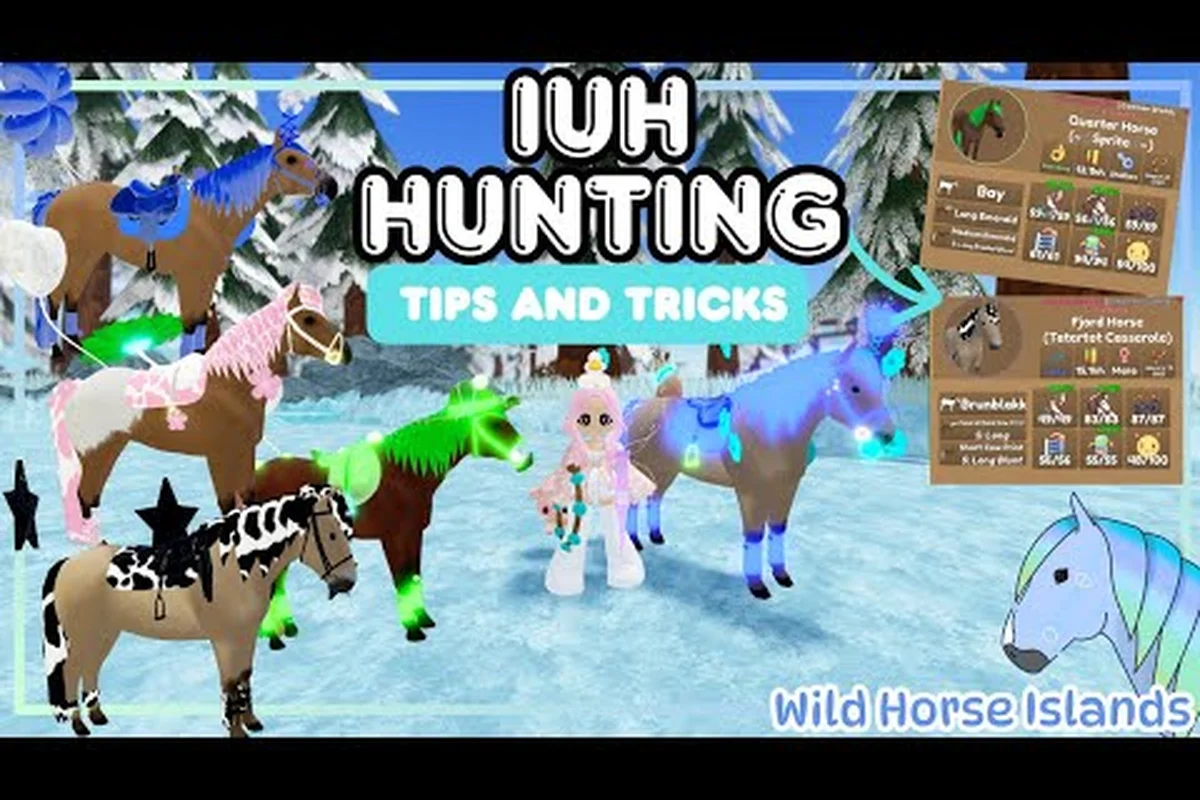
IUH hunting is the ultimate long-term wealth strategy. An Island Unique Horse with a rare coat can sell for millions of coins or trade for multiple Moonstone-exclusive horses. While the odds of finding one are low — community estimates put the chance at around 1 in 10,000 per horse spawn — the payoff is life-changing in-game wealth. Our IUH hunting guide covers the strategies serious hunters use to maximize their chances.
Building a Sustainable Income
The players who get rich in Wild Horse Islands don't rely on a single strategy — they build multiple income streams that work together. A typical wealthy player might run resource routes for steady coin income, maintain a market stand for player sales, breed horses for occasional big payouts, and hunt for rare coats during downtime. This diversification ensures that even if one income stream slows down, the others keep the coins flowing.
Frequently Asked Questions
What is the fastest way to get money in Wild Horse Islands?
The fastest way to earn coins fast is combining resource gathering with market stand sales. Gather berries, flowers, wood, and stone from high-yield routes, then sell them to other players at 2-3 times the NPC price. Active players can earn 5,000-10,000 coins per hour using this method.
How do I get Moonstone in Wild Horse Islands?
Moonstone comes from special events, rare finds, and trading with other players. The most reliable method is participating in limited-time events that award Moonstone as rewards. You can also trade valuable horses or items to players who have excess Moonstone. Check our Moonstone location guide for detailed farming routes.
Is breeding horses profitable in Wild Horse Islands?
Yes, breeding can be very profitable if you understand coat genetics and market demand. Breeding two horses with complementary traits can produce foals with rare coats worth 10,000-50,000 coins. The key is researching which coat combinations are most valuable before spending breeding tokens.
What should I sell on my market stand?
Focus on items with high demand and limited supply. Common resources like berries and flowers sell well because players need them for breeding and quests. Rare coats and event-exclusive items command premium prices. Avoid selling items that NPCs buy for nearly the same price, since the market stand fee eats into your profit.
How much is an IUH worth in Wild Horse Islands?
An IUH with a rare coat can sell for millions of coins or trade for multiple Moonstone-exclusive horses. The exact value depends on coat rarity, breed, and current market demand. Some of the rarest IUH coats have been traded for collections worth over 10 million coins according to community reports.