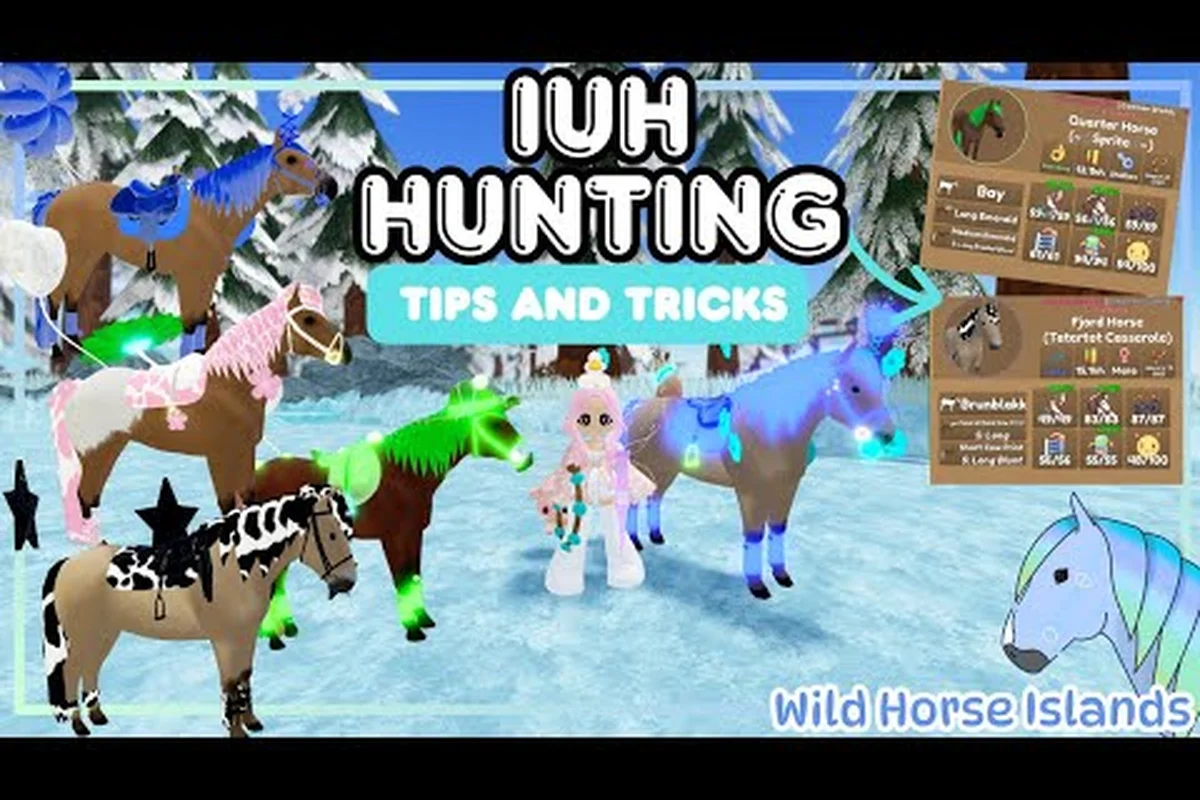
Wild Horse Islands moonstone sits at the heart of Roblox's most popular horse-collecting adventure, yet many players still confuse it with the game's other currencies. Since the game launched on June 22, 2021, the official Wild Horse Islands Roblox page reports over 659 million visits, which means thousands of new riders join daily and immediately face the same question: what should I spend my moonstone on? Understanding this premium currency before you trade or purchase anything can save you hours of grinding and prevent costly mistakes in the market. Before you panic-buy a rare coat or gamble on a trade, learning how to efficiently farm this currency through races and quests is your safest first step—check out our Wild Horse Islands How To Get Money guide to build a steady bankroll that makes every future moonstone decision far less stressful.
Understanding Wild Horse Islands Moonstone as a Premium Currency
The game's economy revolves around five distinct currencies, and moonstone occupies the premium tier alongside Prismatic Gems, Volcanic Minerals, Training Receipts, and Tokens. According to the official Wild Horse Islands Terms & Abbreviations article, moonstone (abbreviated MS) is specifically used for special horses and rare items, while the other currencies serve different purposes entirely.
Moonstone functions as the primary premium currency because it cannot be earned through normal gameplay loops like selling horses or gathering resources. Instead, players acquire it through gamepass purchases, event rewards, and occasional login bonuses. This scarcity drives its value in player-to-player trades, where a single moonstone can sometimes equal multiple Prismatic Gems depending on market demand.
The distinction matters because new players often waste moonstone on items they could obtain with standard coins. Before spending any moonstone, check whether the item also appears in the coin shop or can be acquired through breeding. The official help center emphasizes that moonstone should be reserved for exclusive horses, limited-time event items, and rare accessories that never rotate into the regular shop.
How Moonstone Differs From Other Currencies
| Currency | Abbreviation | Primary Use | Acquisition Method |
|---|---|---|---|
| Moonstone | MS | Special horses, exclusive items | Gamepasses, events |
| Prismatic Gems | PG/PM | High-tier breeding, rare coats | Mining, events |
| Volcanic Minerals | VM | Volcanic island items | Mining, volcano events |
| Training Receipts | TR | Stat training | Daily tasks, competitions |
| Tokens | Tk | Cosmetic items, consumables | Quests, competitions |
The table above shows how each currency occupies a distinct economic niche. While moonstone and Prismatic Gems both hold premium status, they rarely overlap in usage. Moonstone purchases tend to be one-time unlocks, whereas Prismatic Gems fuel ongoing breeding projects. Understanding these differences helps you allocate resources effectively across your progression path.
Wild Horse Islands Tokens: Earning and Spending Strategies
Tokens represent the most accessible premium-adjacent currency in the game, and understanding their flow helps you preserve moonstone for truly exclusive purchases. Unlike moonstone, tokens appear regularly through quest completion, daily challenges, and competition rewards. The official Wild Horse Islands Player Rules confirm that tokens are a legitimate in-game currency, not a Robux substitute, which means you can earn them entirely through gameplay.
Token farming becomes efficient once you learn which activities pay out the most per hour. Competition entries, especially dressage and racing events, reward tokens based on placement, with first place paying significantly more than participation rewards. Players report that stacking daily quests with competition entries creates a reliable token income stream that funds cosmetic purchases without touching your moonstone reserves.
The Fastest Token Grinding Routes Ranked
-
Daily quests — Complete all three daily quests every day for a steady token trickle that compounds over weeks.
-
Competition placement — Top-three finishes in any competition award bonus tokens beyond the base participation reward.
-
Breeding achievements — Unlock breeding milestones to receive one-time token bonuses that add up across your collection.
-
Event participation — Seasonal events typically include token reward tracks alongside exclusive moonstone items.
-
Resource selling — Selling surplus resources at market stands generates coins that fund competition entry fees.
The key insight is that tokens and moonstone serve different spending priorities. Tokens cover everyday expenses like grooming supplies and basic cosmetics, while moonstone purchases should focus on rare horses and event exclusives that may never return. This separation protects your premium currency from being drained by routine purchases.
Wild Horse Islands Market: Trading and Selling Mechanics
The player-driven market stands form the backbone of Wild Horse Islands' economy, and mastering them directly impacts how far your moonstone stretches. The official help center describes market stands as the primary method for selling horses and resources to other players, which means prices fluctuate based on supply, demand, and community trends rather than fixed game values.
Market stand pricing requires research before you list anything valuable. Community reports indicate that rare coat patterns and high-stat horses command premium prices measured in moonstone, while common horses sell for coins or tokens. The gap between these price points explains why experienced players focus on breeding rare traits rather than mass-producing average horses.
Market Stand Price Comparison
| Item Type | Typical Price Range | Currency | Demand Level |
|---|---|---|---|
| Common horse | 500-2,000 coins | Coins | Low |
| Rare coat horse | 5-20 moonstone | Moonstone | Medium |
| Event-exclusive horse | 20-50 moonstone | Moonstone | High |
| Training materials | 1-5 tokens | Tokens | Medium |
| Prismatic Gem bundles | 10-30 moonstone | Moonstone | High |
Understanding these price bands helps you avoid overpaying for horses that will drop in value once the next event introduces new coats. The market rewards patience, because prices for event horses typically peak during the first week after release, then stabilize as supply increases. If you can wait two to three weeks after an event ends, you will often find the same horse at a fraction of its launch price.
Wild Horse Islands Gamepasses: Evaluating Worth Before Buying
Gamepasses represent the direct Robux-to-moonstone conversion path, and knowing which ones deliver real value prevents wasted spending. The official Wild Horse Islands website hosts the shop links, and the help center clarifies that gamepasses are optional enhancements rather than required content. This distinction matters because some gamepasses dramatically accelerate progression, while others offer convenience that rarely justifies their cost.
Gamepass evaluation should start with your playstyle. If you spend most of your time breeding and trading, a gamepass that expands pasture capacity or increases breeding slots will pay for itself through higher production. If you focus on competitions, training-related gamepasses provide better returns. The mistake most players make is buying gamepasses based on popularity rather than personal gameplay patterns.
Gamepass Value Breakdown
| Gamepass | Cost (Robux) | Core Benefit | Best For |
|---|---|---|---|
| Double Coins | 400 | 2x coin earnings from all sources | New players |
| Extra Pasture | 800 | Additional horse storage | Breeders |
| Training Boost | 600 | Faster stat training | Competitors |
| Moonstone Bundle | 1,000 | Direct moonstone purchase | Traders |
| Private Server | 450 | Solo hunting access | Rare hunters |
The Private Server gamepass deserves special attention because the official help center specifically mentions it as worth buying for private hunting. Rare horse spawns become significantly easier to find when you control the server, since you eliminate competition from other players. However, this benefit only matters if you actually dedicate time to hunting rare spawns, so casual players should skip it.
Smart Moonstone Spending: Practical Recommendations
Building a moonstone spending strategy prevents the most common mistake new players make: spending premium currency on items that lose value quickly. The official game page confirms that moonstone is used for special horses and items, which means every purchase should be evaluated against that standard. If an item does not qualify as special or exclusive, it probably should not cost moonstone.
Priority spending tiers help organize your purchases by long-term value. The first tier includes event-exclusive horses that never return, because their scarcity drives permanent value appreciation. The second tier covers breeding items that expand your ability to produce rare coats, since these generate ongoing income through the market. The third tier includes cosmetic accessories, which hold value only if you use them regularly.
-
Tier 1: Event exclusives — Purchase immediately if you can afford them, because they disappear after the event ends.
-
Tier 2: Breeding upgrades — Invest after securing Tier 1 items, since these compound your earning potential.
-
Tier 3: Cosmetics — Buy only when surplus moonstone remains, since these offer no gameplay advantage.
-
Tier 4: Convenience items — Skip unless you play daily, because the convenience rarely justifies the cost.
This tier system works because it aligns spending with value retention. Event exclusives hold or increase value, breeding upgrades generate income, and cosmetics provide personal enjoyment without economic return. Players who follow this framework report significantly better long-term outcomes than those who spend impulsively on whatever catches their eye.
Frequently Asked Questions
What is Wild Horse Islands moonstone used for?
Wild Horse Islands moonstone is the premium currency used to purchase special horses, exclusive event items, and rare accessories that never appear in the regular coin shop. You earn it through gamepass purchases and event rewards rather than standard gameplay, which makes it more valuable than coins or tokens for acquiring limited-content items.
How do I earn Wild Horse Islands tokens?
Tokens are earned through daily quests, competition placements, breeding milestones, and seasonal event reward tracks. Unlike moonstone, tokens flow regularly from normal gameplay activities, making them ideal for funding everyday purchases like grooming supplies and basic cosmetics. Stacking daily quests with competition entries creates the most efficient token income stream.
Are Wild Horse Islands gamepasses worth buying?
The value of Wild Horse Islands gamepasses depends entirely on your playstyle. The Private Server gamepass is worth buying for dedicated rare hunters, while Double Coins benefits new players most. Evaluate each gamepass against your primary activities before purchasing, because the official help center confirms these are optional enhancements rather than required content.
What should I spend moonstone on first?
Prioritize event-exclusive horses that never return, since their scarcity drives permanent value appreciation. After securing those, invest in breeding upgrades that expand your ability to produce rare coats, which generate ongoing income through market stand sales. Cosmetic accessories should only be purchased with surplus moonstone after completing the first two tiers.
How does the Wild Horse Islands market work?
The market runs through player-owned market stands where you sell horses and gathered resources directly to others, with prices driven by supply, demand, and community trends rather than fixed values. Rare coats and high-stat horses fetch premium moonstone, while common ones trade for coins or tokens—always check current listings before pricing valuables.