
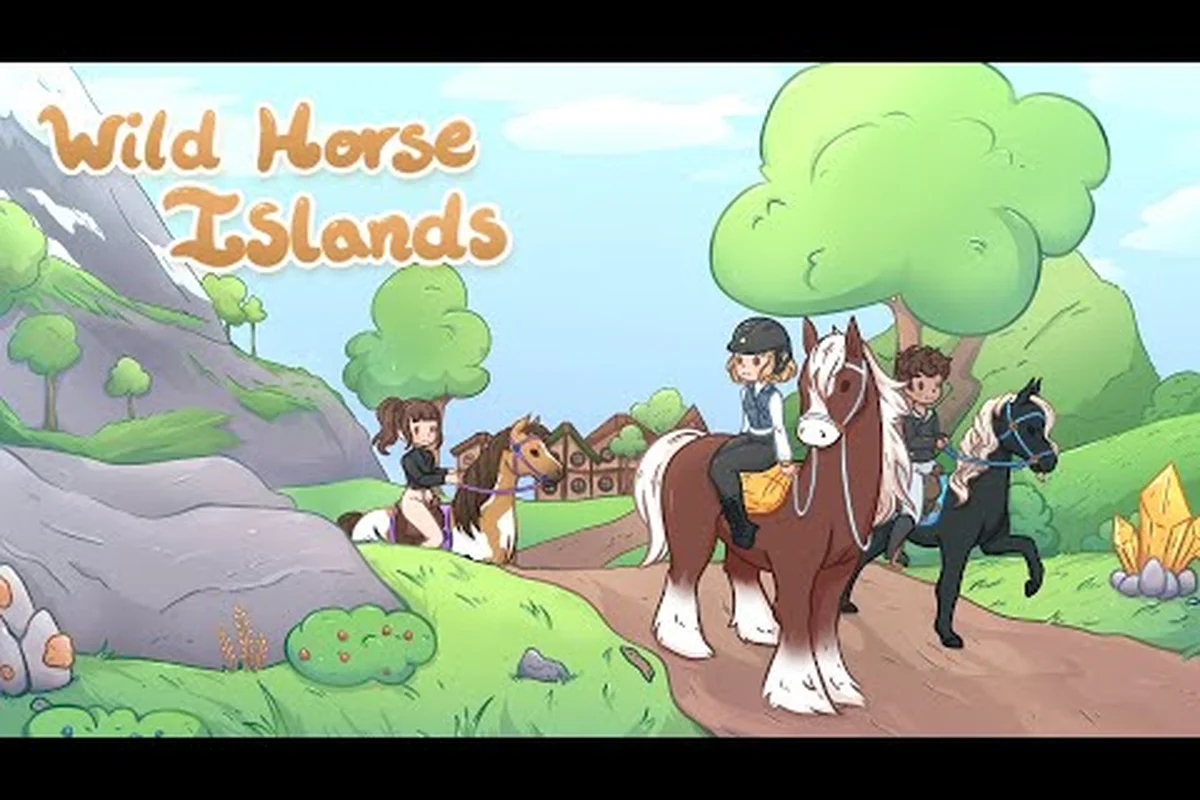
Starting fresh in Wild Horse Islands can feel overwhelming, especially when you watch veteran players gallop past with rare coats and maxed stats while you are still figuring out the taming basics. The truth is that most beginners waste their first few sessions on avoidable Wild Horse Islands common mistakes that slow down their progress significantly. This Wild Horse Islands getting started guide walks you through the exact systems you need to understand on day one, from your first catch on Pinehaven to smart money habits that set up your entire account. By the time you finish reading, you will know precisely how to level up fast and how to progress fast without burning through your limited early-game resources.
Your First Hour on Pinehaven: Setting the Right Foundation
When you spawn for the first time, you land on Pinehaven, the starter island where every Wild Horse Islands getting started journey begins. According to the official Wild Horse Islands website, this is where you catch your first horse, earn money by selling extras, and learn the taming and training systems before exploring other islands. The game itself, created by Happy Acres and launched on June 22, 2021, has passed 659 million visits with a 92% positive rating, which tells you the community is active and the systems are well-tested.
Your immediate goal is to catch a Starter Horse and learn the taming minigame. Walk toward the grassy areas and look for horses with a white name tag floating above them, which indicates they are wild and catchable. Approach slowly, equip your lasso from the hotbar, and aim at the horse while holding the left mouse button to charge your throw. Release when the reticle turns green for a successful catch. This first catch teaches you the core loop that you will repeat hundreds of times, so pay attention to the timing rather than rushing through it.
The biggest Wild Horse Islands mistake to avoid in your first hour is spending all your starting coins on cosmetic items. Those 500 coins you begin with are better spent on a better lasso or carrots for taming, because both directly accelerate your catching speed. New players who buy a fancy saddle or a hat often find themselves stuck with a weak lasso that misses frequently, which makes every subsequent catch slower and more frustrating.
Understanding Your Starter Inventory
Your inventory screen shows several key items that you need to understand before you leave Pinehaven. The Lasso is your primary catching tool, and upgrading it from Basic to Good quality reduces the charge time noticeably. Carrots are consumable items that increase your taming success rate when fed to a horse mid-catch, and you should always carry at least ten. Apples serve a similar purpose but are cheaper, making them ideal for bulk taming sessions.
| Item | Starting Amount | Best Use | Upgrade Priority |
|---|---|---|---|
| Basic Lasso | 1 | Catching wild horses | High (buy Good Lasso ASAP) |
| Carrots | 5 | Boosting taming success | Medium (restock regularly) |
| Apples | 10 | Cheap taming alternative | Low (use when low on coins) |
| Coins | 500 | Essential purchases only | Save for lasso + food |
Your Horse Inventory is separate from your item bag, and this is where many beginners get confused. Each horse you catch takes up one slot, and you start with a limited number of slots that you can expand later. Selling duplicate horses for coins is the fastest early money source, but you should always keep your best horse for training. A common Wild Horse Islands common mistake is hoarding every horse you catch, which fills your inventory and forces you to release valuable horses later when you have no space.
The Taming and Training Loop: How to Level Up Fast
Once you catch your first horse, the real progression begins through the training system. Every horse has stats that improve as you complete training minigames, and these stats determine both the horse's value and its performance in races. Understanding this loop is essential for anyone asking how to level up fast in Wild Horse Islands, because training efficiency directly translates to account progression.
The training minigame works by matching your horse's speed and jump timing to a moving marker. You start with basic Speed Training and Jump Training, both of which require you to press the spacebar at the right moment. Successfully hitting the sweet spot gives maximum stat points, while near misses give partial points. The key insight that most beginners miss is that training receipts multiply your gains, and you should always use them during training sessions to double your stat growth.
Training Stats and What They Mean
Each horse has four core stats that you need to balance: Speed, Jump, Strength, and Stamina. Speed affects racing performance, jump affects obstacle courses, strength determines carrying capacity, and stamina controls how long your horse can sprint. While all four matter, speed and jump are the most valuable for both racing and trading value, which is why most experienced players prioritize these two first.
| Stat | Training Method | Best For | Trading Value Impact |
|---|---|---|---|
| Speed | Speed Minigame | Racing, general travel | High |
| Jump | Jump Minigame | Obstacle courses | High |
| Strength | Strength Minigame | Carrying resources | Medium |
| Stamina | Stamina Minigame | Long-distance sprinting | Medium |
The training minigame has a hidden mechanic that rewards consistent play: each successful hit builds a combo multiplier that increases your points. Break the combo by missing, and you reset back to the base rate. This means short, focused training sessions of five to ten minutes are actually more efficient than hour-long grinds, because your focus stays sharp and your combo stays intact. For a deeper breakdown of the minigame mechanics, check out our training minigame guide that covers advanced timing tricks.
Leveling Your Account, Not Just Your Horse
Your Player Level is separate from your horse's stats, and it unlocks new islands, new horse breeds, and breeding capabilities. You gain player XP from catching horses, completing training sessions, and participating in races. The fastest way to gain player XP in the early game is catching and selling horses, because each catch gives XP regardless of the horse's rarity.
A practical approach for how to progress fast in your first week is to alternate between catching sessions and training sessions. Spend thirty minutes catching and selling common horses to build coins and XP, then spend thirty minutes training your best horse to increase its value. This balanced loop ensures you are never idle and both your coin balance and your horse quality grow simultaneously.
Early Money Mistakes: What Not to Do With Your Coins
Money management is where most beginners lose progress, and the Wild Horse Islands mistakes to avoid in this area are well-documented by the community. The game's economy revolves around Coins (the main currency) and Moonstone (a premium currency), and knowing how to earn and spend both wisely determines how quickly you can expand your operations.
The most common Wild Horse Islands common mistake with money is buying horses from other players before you understand values. Trading chat is full of offers, and new players frequently overpay for horses that are actually common. The community reports that beginner traders often pay two to three times the actual value of a horse because they do not understand coat rarity or stat distributions yet. Avoid trading entirely for your first week, and focus on catching your own horses instead.
Smart Spending Priorities
| Purchase | Cost Range | When to Buy | Why It Matters |
|---|---|---|---|
| Good Lasso | 1,500-2,500 coins | Immediately | Faster catches = more XP |
| Horse Slots | 500-1,000 coins each | As inventory fills | More space = more selling |
| Training Receipts | 200-500 coins | Before training sessions | Doubles stat gains |
| Better Saddle | 3,000-5,000 coins | After lasso upgrade | Improves racing performance |
Your first major purchase should always be the Good Lasso, because it directly increases your catching speed and reduces the frustration of missed throws. The second purchase should be additional horse slots, because running out of inventory space forces you to release horses that you could have sold. Training receipts come third, and only when you have a horse worth training seriously.
Selling horses is your primary income source in the early game, and the pricing formula is straightforward: base value plus coat rarity bonus plus stat bonus. Common coats sell for minimal coins, while rare coats like Pearl or Piebald command premium prices. You can check a horse's coat rarity by looking at the color of its name tag: white is common, green is uncommon, blue is rare, and purple is epic. For a complete breakdown of earning strategies, our money making guide covers advanced coin and Moonstone farming methods.
Unlocking New Islands: The Progression Path
As your player level increases, you unlock access to new islands, each with different wild horse populations and resource nodes. The progression path is linear: Pinehaven (level 1), then Juniper (level 5), then Blossom (level 10), and so on. Each new island has horses with better base stats and higher-value coats, which is why leveling your player account is so important for long-term progress.
The Wild Horse Islands getting started experience changes dramatically once you reach level 10, because that is when you unlock Breeding. Breeding allows you to combine two horses to produce a foal with inherited traits, and this is where the real money lies in the game. A well-bred foal with rare coat genetics can sell for thousands of coins, making breeding the most profitable activity in the game for dedicated players.
Preparing for Breeding Before You Unlock It
Even though breeding unlocks at level 10, you should start preparing earlier. Keep any horse with a rare coat or high base stats, even if you are not training it, because these become your breeding stock later. The community reports that players who sell all their rare horses early often regret it when they reach breeding level and have nothing good to breed with.
| Island | Unlock Level | Notable Horses | Key Resources |
|---|---|---|---|
| Pinehaven | 1 | Starter breeds | Apples, basic resources |
| Juniper | 5 | Faster breeds | Carrots, better resources |
| Blossom | 10 | Rare coats | Moonstone nodes |
| Volcano | 15 | Epic coats | Premium resources |
Your breeding strategy should focus on quality over quantity. Instead of breeding every pair you can, save your best horses and breed only when you have two horses with complementary strengths. A common mistake is breeding two mediocre horses and getting a mediocre foal, which wastes your breeding cooldown. The breeding requirements guide explains the full unlock process and which combinations produce the most valuable uniques.
Advanced Progression: Racing, Trading, and Long-Term Goals
Once you have the basics down, the next phase of Wild Horse Islands getting started involves deciding what kind of player you want to be. The game supports multiple playstyles, and each has its own progression path. Racing focuses on speed stats and racing performance, trading focuses on understanding values and flipping horses for profit, and collection focuses on catching every coat variation.
Racing is the most accessible endgame activity because it does not require significant capital. You enter races with your trained horse, compete against other players, and earn coins and XP based on your placement. Winning races requires both a well-trained horse and knowledge of the race tracks, including shortcuts and optimal jump timing. The community reports that consistent top-three finishes in races generate comparable income to trading, but with less risk.
The Trading Path: When to Start
Trading becomes viable once you understand horse values, which typically takes two to three weeks of active play. The trade chat guide covers the etiquette and common scam patterns you need to know before entering the trading scene. The most important rule is to never accept a trust trade, where someone asks you to hand over your horse first with a promise to pay later, because these are almost always scams.
| Trading Strategy | Risk Level | Time Investment | Profit Potential |
|---|---|---|---|
| Flipping common horses | Low | Medium | Low |
| Breeding rare coats | Medium | High | High |
| Buying underpriced rares | Medium | Medium | Medium |
| Event item trading | High | High | Very High |
Your long-term goal should be building a stable of high-value horses that generate passive income through breeding and racing. This takes time, but the systems are designed so that consistent daily play compounds your progress. Players who log in daily for even thirty minutes typically reach the mid-game content within a month, while those who play sporadically often struggle to progress past the early islands.
Frequently Asked Questions
What is the fastest way to level up in Wild Horse Islands?
The fastest player XP comes from catching and selling horses, because each catch grants XP regardless of rarity. Focus on catching common horses in high-density areas on Pinehaven, sell them immediately, and repeat. Combined with daily training sessions and racing entries, you can gain several levels per hour in the early game.
How much money should I save before leaving Pinehaven?
You should save at least 3,000 coins before exploring other islands, because the Good Lasso costs around 2,000 coins and you need spare coins for carrots and apples. Having this buffer ensures you can continue catching efficiently on new islands without running out of essential supplies.
What are the most common mistakes new players make?
The top three Wild Horse Islands common mistakes are spending starting coins on cosmetics, selling rare coat horses before understanding breeding, and accepting trust trades in chat. All three set back your progression significantly, and avoiding them from day one puts you ahead of most new players.
When should I start breeding horses?
Start breeding as soon as you unlock it at player level 10, but only if you have kept rare coat horses from your early catches. Breeding two common horses produces a common foal, which wastes your cooldown. Save your best horses and breed selectively for the best results.
Is trading worth it for beginners?
Not yet. Spend your first two weeks on Pinehaven catching and training horses to learn coat rarities and market values before entering trade chat. Overpaying for common horses or falling for trust-trade scams costs coins you need for better lassos and island unlocks. Master the taming loop first.