
Learning how to lasso in Wild Horse Islands is the single most important skill you'll develop as a new player, because every horse you'll ever own starts with a successful capture in the wild. The game's taming system revolves around approaching wild horses, using the lasso interaction, and then managing stamina while you lead your catch back to a stable. This wild horse islands how to lasso guide breaks down the entire process step by step, from locating herds to securing your very first horse, so you can skip the trial-and-error phase that frustrates most beginners.
The capture mechanic is deceptively simple on the surface, but mastering it requires understanding spawn patterns, stamina management, and the differences between wild caught and herd caught horses. According to the official Wild Horse Islands Roblox page, wild horses spawn around each island in defined locations and herds, and you approach a horse and use the tame interaction to capture it before leading or riding it back to your stable. That description sounds straightforward, yet new players often struggle with the finer points of the lasso system, which is exactly what this guide addresses.
Understanding the Lasso and Capture System
The lasso in Wild Horse Islands functions as your primary tool for trapping horses, and it works differently from what you might expect in other horse games. When you spot a wild horse you want, you walk close enough for the interaction prompt to appear, then hold down the capture button to throw your lasso. The horse will resist, and you'll need to keep holding until the capture bar fills completely, at which point the horse becomes yours to lead.
What makes the mechanic interesting is that the lasso isn't a projectile you aim and throw; it's a proximity-based interaction that locks onto the nearest horse when you activate it. This means positioning matters more than timing, and sneaking up on a horse from behind gives you a better chance of starting the capture before it bolts. The game's official help center describes this as the "tame interaction," and community testing suggests that approaching slowly while crouched reduces the chance of spooking the horse.
Capture Success Factors that influence how easily you can rope a horse include the horse's current taming percentage (which rises as you feed it), your equipped lasso tier (Basic vs. Reinforced), and your Stamina bar—a low stamina meter causes your camera to sway, making the aim reticle drift off-target mid-throw. Additionally, horses that are spooked by nearby predators or loud emotes will bolt faster, reducing your window to land a clean loop. For example, a Buckskin with 50% taming is far easier to rope than a fresh Mustang at 0%, so always feed treats like Carrots or Apples before attempting the catch.
-
Horse Level — higher-level horses resist longer and require more patience
-
Island Type — some islands have skittish horses that flee faster
-
Server Lag — high ping can cause the capture bar to glitch and reset
-
Herd Size — horses in larger herds are harder to isolate for capture
-
Player Count — crowded servers mean more competition for the same spawns
The capture bar mechanic rewards steady, uninterrupted holding rather than rapid tapping. If you release the button mid-capture, the horse keeps its progress but will start moving away, which means you'll need to reposition and try again. This is why finding a quiet spot with fewer distractions matters so much when you're learning how to rope a horse for the first time.
Where to Find Horses for Your First Capture
Knowing where horses spawn is half the battle when you're trying to figure out how to get a horse in Wild Horse Islands. Each island in the game has designated spawn locations where wild horses appear in herds, and these locations are consistent across servers, though the specific horses that spawn there rotate randomly. The starter island, Pinehaven, offers the gentlest introduction to the capture system because its horses are lower level and less prone to fleeing.
The spawn system works on a timer, with new horses appearing in the same general areas after the existing herds are captured or leave the area. Community reports indicate that waiting near a known spawn point for a few minutes will almost always result in fresh horses appearing, which makes patience a legitimate strategy. For a detailed breakdown of every spawn location across all islands, the horse locations guide covers each map in depth, including the rarer spawns that dedicated hunters seek out.
Best Starter Locations for finding your first horse: Head to Mountain Plains or the Desert immediately after spawning, as these biomes host the highest spawn rates for Tier 1 and Tier 2 horses like the Appaloosa and Mustang. Avoid the Volcano and Swamp early on—their Tier 3+ spawns (e.g., Friesian, Clydesdale) are rarer and require a better lasso to tame, wasting your limited stamina and Bolas on failed throws. Stick to the open Plains near Royal Isle for a 10–15 minute respawn cycle, ensuring you always have a target within lasso range.
-
Pinehaven Meadows — the large open field near the spawn point, ideal for beginners
-
Pinehaven Beach — smaller herd sizes, easier to isolate individual horses
-
Forest Edge — moderate difficulty, good for practicing approach technique
-
Jama Bay — slightly higher level horses, better coats available
-
Coral Isle — requires a boat to reach, but offers unique coat colors
When you arrive at a spawn location, take a moment to observe the herd before moving in. Horses that are grazing with their heads down are less alert, while horses that are standing still with ears forward have already noticed your presence. Approaching from downwind, if you can manage it, keeps you undetected for longer and gives you a cleaner capture window.
Step-by-Step Capture Process for Beginners
Mastering the capture process requires following a specific sequence of actions, and each step builds on the last. This wild horse islands capture guide walks you through the exact procedure that experienced players use, refined through hundreds of successful captures across the game's various islands.
Approaching the Herd
The approach phase determines whether you get a clean capture or a frustrating chase. Start by moving slowly toward the herd, keeping your camera angled so you can see both the horses and your surroundings. When you get within roughly twenty studs of your target horse, slow to a walk and stop occasionally to let the horse adjust to your presence. If a horse raises its head and stares at you, freeze until it resumes grazing before continuing your approach.
Executing the Lasso Throw
Once you're within interaction range, which is about five studs, the capture prompt appears on screen. Hold down the interaction button to begin the lasso animation, and keep holding as the capture bar fills. The horse will sometimes rear up or try to trot away during this process, but as long as you maintain contact, the bar continues filling. If the horse breaks line of sight or moves too far away, the capture fails and you'll need to reposition.
Managing the Capture Bar
The capture bar fills at a consistent rate, but certain factors can slow it down or cause it to reset. Moving while capturing, for example, interrupts the process and forces you to start over. Standing still and holding the button gives you the fastest fill rate, which is why positioning yourself correctly before initiating the capture matters so much. Higher-level horses have longer capture bars that require more time to fill, so don't panic if your first attempts on tougher horses feel slow.
Leading Your Captured Horse
After the capture bar fills completely, your new horse is officially yours, and you'll see a lead rope appear connecting you to the animal. You can now walk your horse back to the nearest stable, or you can mount up and ride it directly. Riding is faster but drains your horse's stamina, while leading keeps the horse fresh for the journey. For your first capture, leading is the safer choice because it lets you control the pace and avoid obstacles.
Quick Reference Capture Flow: Before you set foot on any island, lock in this mental checklist so the lasso never leaves your hand: spot a horse, equip your lasso, hold to charge the throw, release to rope, then immediately spam the "Lasso" button to tighten the loop before the horse bucks. The critical mistake most new players make is waiting for the horse to stop moving—wild horses on islands like Jungle or Mountain only pause for a second, so you must anticipate their path and throw ahead of their head. If you miss, don't chase; re-aim and wait for the next idle animation, as stamina drains fast when sprinting after a spooked herd.
| Step | Action | Duration | Common Mistake |
|---|---|---|---|
| 1 | Locate herd at spawn point | 1-2 minutes | Chasing the first horse you see |
| 2 | Approach slowly from behind | 30-60 seconds | Running directly at the herd |
| 3 | Hold capture button | 5-15 seconds | Releasing early out of nerves |
| 4 | Mount or lead to stable | 2-5 minutes | Riding through water and losing stamina |
| 5 | Register horse at stable | Instant | Forgetting to claim your horse |
The entire process takes about five minutes for a complete beginner, but experienced players can execute a capture in under a minute once they've internalized the timing and positioning. The key is repetition; the more horses you capture, the more natural the process becomes, and soon you'll be able to identify which horses are worth the effort just by glancing at their coat patterns.
Wild Caught vs. Herd Caught Horses
| Lassoing Method | Target Type | Key Requirement | Typical Result |
|---|---|---|---|
| Wild Caught (WC) | Free-roaming horse | Approach and use tame interaction | Random coat, no herd bonus |
| Herd Caught (HC) | Horse within a herd | Tame from an active herd spawn | Herd-specific coat patterns |
| Pure Wild Caught (PWC) | Free-roaming horse | Mane & tail color match coat | Highest trade value, rare |
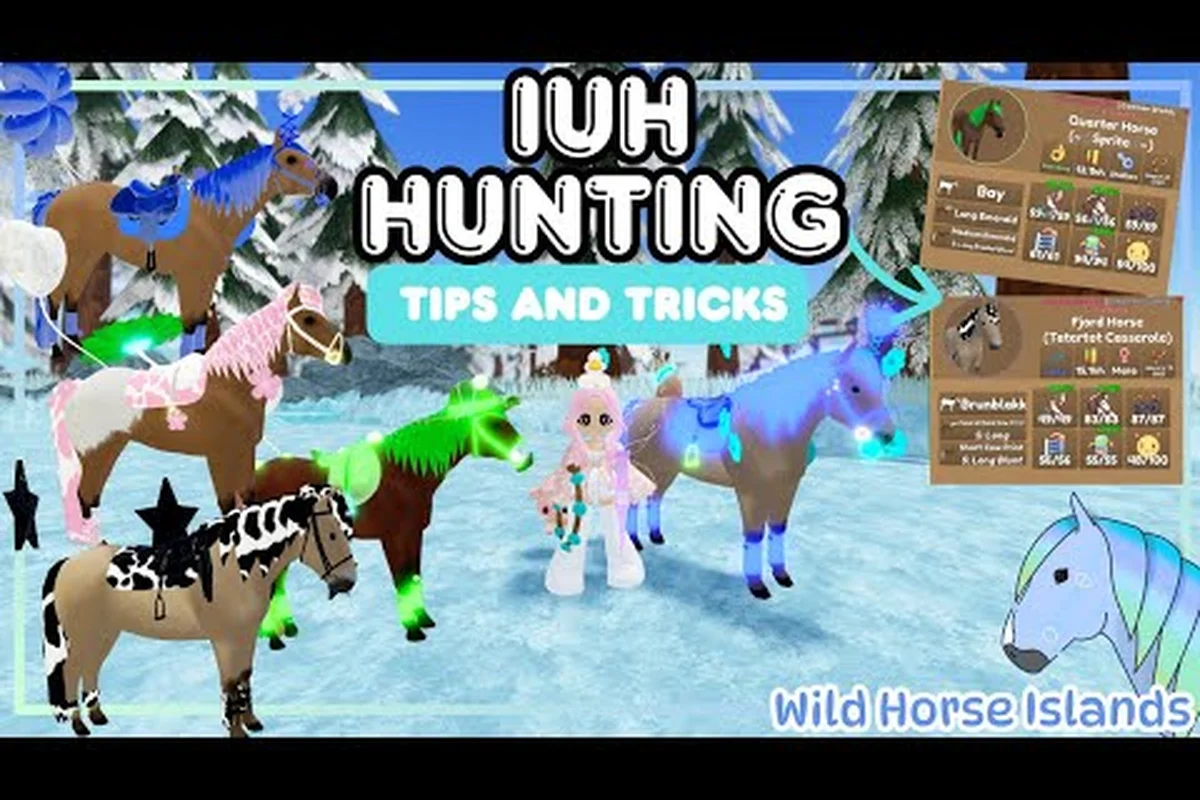
| IUH Hunting | Rare spawns | Extended server roaming, high patience | Chance at unique/rare coats |
Understanding the difference between wild caught and herd caught horses is essential for anyone serious about building a valuable collection. The official Wild Horse Islands Terms & Abbreviations page defines Wild Caught (WC) as a horse caught in the wild, while Herd Caught (HC) means a horse caught from a herd. These terms might sound similar, but they carry different weight in the trading community.
The distinction matters because wild caught horses are generally considered more valuable than herd caught ones, especially when the horse has a rare coat pattern. A Pure Wild Caught (PWC) horse, which the help center defines as a wild-caught horse whose mane and tail colour match its coat, commands a significant premium in trades. This is because PWC horses are rarer and more aesthetically pleasing to collectors, making them highly sought after.
The table below breaks down the key differences between the two capture methods, helping you decide which approach fits your current stage in Wild Horse Islands. Wild Caught refers to roping horses found naturally roaming the island, which costs nothing but requires you to manually track them down and manage your stamina while lassoing. Herd Caught involves purchasing a horse directly from the herd that spawns near the main barn, costing in-game currency but saving you significant time. For beginners struggling with the lasso mechanic, the herd option is a safer investment, while experienced players hunting for rare coats will prefer the wild route for its potential to yield unique spawns.
| Horse Type | Rarity | Trade Value | Best For |
|---|---|---|---|
| Herd Caught (HC) | Common | Low | Beginners, filling stable slots |
| Wild Caught (WC) | Uncommon | Medium | Regular trading, breeding projects |
| Pure Wild Caught (PWC) | Rare | High | Collectors, high-value trades |
| Unique Coat (IUH) | Extremely Rare | Very High | Endgame trading, status symbols |
When you're starting out, don't obsess over catching only wild caught horses. Your first few horses should be about learning the mechanics and building a stable, so grab whatever you can find and focus on improving your technique. Once you're comfortable with the capture system, you can start being more selective about which horses you pursue, and the IUH hunting guide explains how to chase the rarest coats in the game.
The herd caught versus wild caught distinction also affects how horses behave after capture. Community testing suggests that wild caught horses have slightly better base stats, though the difference is small enough that it rarely matters outside of competitive racing. What matters more is the horse's level and coat pattern, both of which are determined at spawn and cannot be changed after capture.
Stamina Management and Horse Care
Once you've captured your first horse, understanding stamina management becomes your next priority. Every horse in Wild Horse Islands has a stamina bar that depletes when you ride at speed, and managing that bar effectively determines how far you can travel before needing to rest. The stamina system is straightforward, but new players often overlook it and find themselves stranded far from civilization with an exhausted horse.
Stamina Drain Rates by activity: Lassoing drains stamina at roughly 1.5x the rate of normal riding, while sprinting after a fleeing horse consumes nearly 3x that amount, so you'll want to dismount and walk your horse to recover before attempting a capture. For example, a level 5 horse with 50 stamina can sustain a full-speed chase for only about 15 seconds before you're forced to stop and feed it carrots or let it rest, otherwise you risk the horse bucking you off mid-lasso—a common failure point when trapping wild horses in the lower-level zones like the grassy plains near the spawn area.
-
Walking — minimal drain, recovers slowly
-
Trotting — moderate drain, balanced recovery
-
Galloping — heavy drain, no recovery
-
Jumping — significant drain per jump
-
Swimming — heavy drain, no recovery
The key to efficient travel is alternating between trotting and walking, which allows your horse's stamina to recover while you still make progress. Galloping is best reserved for short bursts when you need speed, such as escaping a dangerous situation or racing another player. When your horse's stamina hits zero, it will refuse to move at speed and force you to walk, which can be dangerous if you're in an area with aggressive wildlife.
Feeding your horse restores stamina and keeps it healthy, and you can find food scattered around each island or purchase it from vendors. Hay bales are the most common food source, but apples and carrots provide better stamina restoration for their weight. Keeping a small supply of food in your inventory ensures you're never caught with an exhausted horse far from a stable.
Capture Blunders That End Your Hunt Early
Every player makes mistakes when they're learning how to lasso, and recognizing these errors early will save you hours of frustration. The most common mistake is chasing horses instead of approaching them slowly, which spooks the entire herd and sends them running. Horses that are fleeing are nearly impossible to capture, so you're better off waiting for the herd to settle before attempting another approach.
Another frequent error is attempting to capture horses that are too high level for your current skill. Higher-level horses have longer capture bars and more erratic movement patterns, making them significantly harder to rope. Start with the lowest-level horses you can find and work your way up as your technique improves. The game's difficulty curve is designed to reward gradual progression, and skipping ahead only leads to wasted time and frustration.
The biggest trap for new players is sprinting at a horse with a lasso already spinning, which spooks the target and wastes your stamina bar before you even get in range. Instead, approach on foot or with a slow trot, keeping your character’s movement speed below the horse’s "spook threshold," and only equip the lasso once you are within roughly 15-20 studs. Also, avoid aiming for the neck or head; the hitbox for a successful catch is centered on the horse's torso, so a poorly timed throw that clips the mane will just send the animal bolting across the map, forcing you to restart the chase from scratch.
-
Running at herds — always approach slowly and deliberately
-
Ignoring stamina — your horse needs rest, not just your character
-
Capturing in crowded areas — other players will steal your catch
-
Skipping the stable — unregistered horses can be lost
-
Giving up too early — the capture bar resets, but persistence pays off
The most important mindset shift is treating each capture as a learning opportunity rather than a race to the finish. Every failed capture teaches you something about horse behavior, positioning, or timing, and that knowledge compounds across attempts. Experienced players can walk into any herd and pick out the easiest capture target in seconds, but that skill comes from dozens of practice captures, not from reading guides alone.
If you're struggling with the technical side of the game, such as lag or graphics issues affecting your capture timing, the private server guide explains how to optimize your settings for smoother gameplay. A stable frame rate makes a noticeable difference in capture success, because the capture bar fills based on real-time interaction rather than a fixed timer.
Frequently Asked Questions
How do I lasso a horse in Wild Horse Islands?
Walk slowly toward a wild horse until the interaction prompt appears, then hold the capture button to throw your lasso. Keep holding as the capture bar fills completely, and the horse becomes yours. Position yourself carefully before starting, because moving during the capture interrupts the process and forces you to restart.
What is the difference between wild caught and herd caught horses?
Wild caught horses are captured while roaming alone in the wild, while herd caught horses come from established herds. Pure Wild Caught horses, where the mane and tail match the coat, are the rarest and most valuable. These terms matter in trading, with wild caught horses generally commanding higher prices than herd caught ones.
Where do horses spawn in Wild Horse Islands?
Horses spawn in defined locations on each island, typically in herds of three to five animals. Pinehaven Meadows and Beach are the best spots for beginners, while higher-level islands offer rarer coat patterns. New horses respawn on a timer after existing herds are captured, so waiting near a spawn point is a valid strategy.
How long does it take to capture a horse?
A successful capture takes about five minutes for a complete beginner, including locating the herd and leading your horse to a stable. Experienced players can complete the process in under a minute. The capture bar itself takes five to fifteen seconds to fill, depending on the horse's level and how well you position yourself.
Can I capture any horse I see?
Not every horse—level and coat rarity matter. Higher-level horses resist longer and flee faster, making them harder to rope. Start with lower-level wild caught horses to master the lasso mechanic, then progress to rarer coats. Pure Wild Caught horses with matching mane and tail are the toughest targets.