
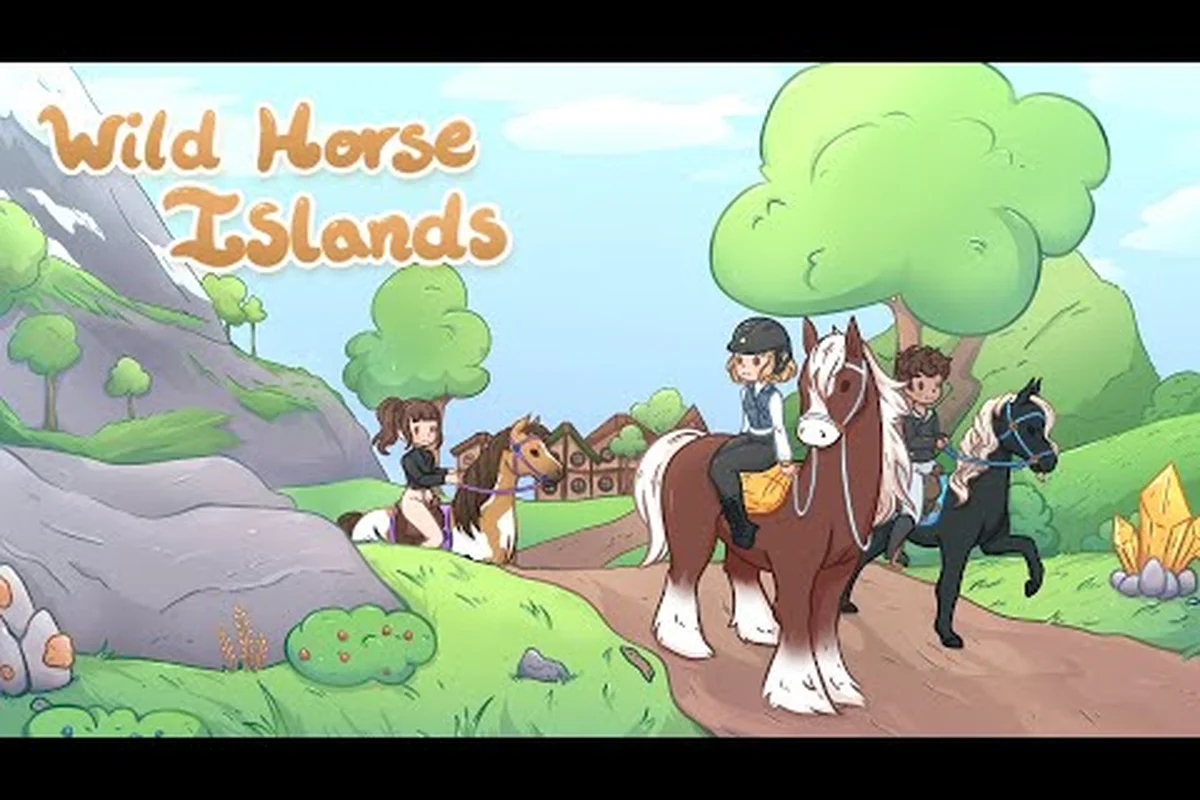
Jumping into Wild Horse Islands without a plan means wasting hours on trial and error that experienced players skip entirely. The wild horse islands things to know before playing go far beyond "catch a horse and ride it" — the game hides its real depth behind trading values, breeding mechanics, and island-specific spawns that most newcomers never discover until it's too late. Since the game launched on June 22, 2021, it has passed 659 million visits with a 92% positive rating on Roblox, which tells you the community is deeply invested in mastering these systems. Knowing what matters before you spend your first coins will save you from the classic beginner mistakes that cost players rare horses and hard-earned currency. Knowing what matters before you spend your first coins will save you from the classic beginner mistakes that cost players rare horses and hard-earned currency, and that's exactly why our Wild Horse Islands Complete Guide breaks down every breeding stat, coat pattern, and value tier so you can recognize a worthwhile investment before you commit to it.
Core Systems You Must Understand Before Your First Catch
Your first hour in Wild Horse Islands determines how smoothly the rest of your journey goes, and most of that comes down to understanding the four pillars that support everything else in the game. The official Roblox game page describes it as a horse-collecting adventure where you catch wild horses, then train, breed, trade, and race them — but that summary undersells how interconnected these systems actually are. New players who treat them as separate features often find themselves stuck mid-game with no clear path forward, while those who see the bigger picture progress much faster.
Taming is the foundation because every horse you own starts as a wild catch, and your success rate depends on your approach. You need to sneak up on horses without spooking them, then use the right bait and timing to secure the catch. Training turns that raw catch into a competitive asset, raising stats like speed, stamina, and jumping through dedicated activities. Breeding lets you combine two horses to produce foals with inherited traits, which is where the rarest coat patterns come from. Trading is the social economy — players exchange horses, items, and resources, and understanding values here is what separates wealthy players from broke ones.
The starter island of Pinehaven is where every new player spawns, and it exists specifically as a safe learning ground. According to the official help center, you catch your first horse here, earn money by selling extra horses and resources, and learn the taming and training systems before exploring other islands. This means you should not rush off to distant islands immediately — Pinehaven's gentle difficulty curve exists for a reason, and skipping it leaves gaps in your fundamental knowledge.
| System | Primary Purpose | Common Beginner Mistake |
|---|---|---|
| Taming | Catch wild horses efficiently | Sprinting at horses instead of sneaking |
| Training | Raise stats for racing and breeding | Ignoring stamina in favor of speed |
| Breeding | Create foals with rare traits | Breeding without checking coat genetics |
| Trading | Exchange horses and items | Accepting unfair trades due to value ignorance |
Hidden Secrets and Easter Eggs That Give You an Edge
Staying Profitable With the Two-Account AFK Cap
The official Player Rules cap AFK farming at two accounts per player, a limit enforced to prevent server strain and economy inflation. If you plan to idle-farm resources or foal growth, you must consolidate your operation into exactly two Roblox accounts—a third risks a ban. The rules also prohibit third-party advantage software, so any auto-clicker or macro that simulates taming inputs violates the terms even if it runs on a secondary account. For legitimate players, the two-account cap still allows one account to AFK-graze while the primary account actively trains and races.
Decoding the Terms and Abbreviations Glossary Before Trading
The official help center's Terms & Abbreviations article is essential reading before you enter trading chat, where players use dense shorthand. Terms like "LF" (looking for), "IA" (instant accept), and "NYP" (name your price) appear constantly, and misreading them can cost you a valuable horse. The glossary also covers coat pattern abbreviations and stat shorthand used in trade listings. Since the game launched June 22, 2021 and has accumulated 659M+ visits, the trading meta has evolved—veterans expect newcomers to know these terms, and using them correctly signals you are not an easy scam target.
Every experienced player has a few tricks they wish they knew on day one, and the wild horse islands hidden secrets are often the difference between a frustrating start and a smooth one. These aren't glitches or exploits — they're legitimate game mechanics that the community has documented through extensive testing and shared across forums and videos. Knowing them before you play means you never have to learn the hard way.
The daily rewards system is one of the most overlooked features because it's easy to miss if you don't know where to look. Logging in every day grants you progressively better rewards, and consistent players report that the weekly bonus often includes items worth significantly more than what you'd earn from hours of grinding. Community reports suggest that players who maintain their daily streak for a full month accumulate enough value to skip several weeks of manual farming.
Island-specific spawn rates are another hidden layer that casual players never notice. Certain rare coat colors appear more frequently on specific islands, and the community has mapped these patterns through extensive observation. For example, players report that Volcano Island has a higher spawn rate for dark-colored coats, while Lunar Island seems to favor lighter variations. This isn't officially documented anywhere, so it falls under community knowledge, but it's been consistent enough across multiple player reports to be reliable.
The time-based spawn system adds another dimension to hunting. Certain horses only appear during specific in-game time windows, and knowing these schedules lets you plan your hunting sessions efficiently. Players who track these patterns report catching rare horses two to three times faster than those who hunt randomly. The official YouTube channel posts update previews that sometimes hint at new spawn behaviors, so keeping an eye on it gives you advance warning of changes.
| Secret | How It Works | Player-Reported Impact |
|---|---|---|
| Daily Streak Rewards | Log in daily for escalating bonuses | Up to 3x weekly value vs. casual play |
| Island Coat Bias | Certain islands favor specific colors | 2x faster rare coat hunting |
| Time-Based Spawns | Some horses appear only at set times | 2-3x rare catch rate when scheduled |
| Bait Type Matching | Specific bait attracts specific horses | Higher success on first attempt |
Pro Tips for Efficient Progression and Economy
The wild horse islands pro tips that veteran players swear by all circle back to one principle: work smarter, not harder. The game rewards efficiency in ways that aren't immediately obvious, and understanding these systems early transforms your progression curve from a slow grind into a steady climb. Players who master these approaches typically reach mid-game content in half the time it takes those who play without a strategy.
Selling duplicate horses is the single fastest way to build your early economy, and it's a strategy that new players often overlook because they get attached to every catch. The official help center confirms that selling extra horses and resources is a primary income source on Pinehaven, which means you should treat your early catches as inventory to flip rather than a collection to hoard. Keep your best horse for progression, but sell everything else until you have a comfortable coin buffer.
Resource gathering deserves more attention than most beginners give it. Apples, carrots, and other items scattered across the islands aren't just filler — they're the fuel for your taming and training efforts. Players who stockpile resources during their exploration phase report much smoother progression because they never have to stop and farm when they should be hunting or training. The key is to gather as you travel rather than making dedicated farming trips.
Breeding for profit is the late-game economy engine, but understanding it early pays dividends. When you breed two horses, the foal inherits traits from both parents, and certain combinations produce coats that are worth far more than the sum of their parts. Community data suggests that players who learn the breeding value chart early can generate passive income that far exceeds active hunting. The trick is tracking which coat combinations produce rare results and focusing your breeding efforts there.
-
Always carry spare bait — running out mid-hunt wastes your best spawn windows
-
Check the trading chat before selling — you might find a buyer willing to pay double
-
Train stamina before speed — a horse that tires early loses races regardless of top speed
-
Keep one high-level horse for each island — teleporting back and forth wastes time
-
Join the official Discord — the community shares real-time spawn reports and trade offers
What the Official Rules Mean for Your Play Style
Understanding the official Wild Horse Islands Player Rules isn't just about avoiding bans — it shapes how you should approach the game strategically. The rules exist to protect the economy and player experience, and knowing them before you play prevents you from building your strategy on methods that could get your account restricted. The official rules document outlines several key restrictions that directly impact gameplay decisions.
No third-party advantage software is the most straightforward rule, but its implications run deeper than you might think. This includes macros, auto-clickers, and any tool that automates gameplay actions. Players who rely on these tools risk losing accounts they've spent months building, which makes the risk-reward calculation heavily unfavorable. The game's anti-cheat systems have improved significantly since launch, and community reports indicate that detection is more reliable than ever.
Cross-trading restrictions are where many players accidentally violate rules without realizing it. Trading in-game items for Robux, real money, or outside items is strictly prohibited, even if both parties agree willingly. This matters for your strategy because it means the in-game economy is self-contained — you can't buy your way to the top with real money, which actually levels the playing field for dedicated players who earn their progress legitimately.
The two-account cap for AFK farming is a rule that affects how you can scale your resource generation. Running more than two accounts simultaneously for idle farming is against the rules, which means you need to maximize efficiency within that limit rather than spreading across multiple accounts. Players who respect this rule while optimizing their two allowed accounts report better results than those who try to game the system with more.
| Rule | What It Means | Strategic Takeaway |
|---|---|---|
| No third-party software | No macros or auto-clickers | Build skill, not automation |
| No cross-trading | No Robux or real money trades | Focus on in-game economy |
| Two-account AFK cap | Max 2 accounts for idle farming | Optimize within the limit |
| No scamming or trust trading | Protect yourself and others | Always use official trade systems |
Avoiding the Most Common Beginner Mistakes
The Pinehaven Starter Island Economy Loop
New players spawn on Pinehaven, the starter island, where the first hour determines your early-game momentum. Sell extra horses and gathered resources immediately—each sale funds your next lasso and feed purchase, creating a self-sustaining catch-and-sell cycle. Abigail Pinehaven's 15-minute beginner guide emphasizes mastering this loop before exploring other islands, since Pinehaven's wild horse spawns are the most forgiving for practicing the taming minigame. A single successful catch-and-sell cycle typically nets enough currency for two more lassos, letting you compound your earnings without ever leaving the island.
Cross-Trading Prohibitions That Protect Your Inventory
Cross-trading—exchanging in-game horses or items for Robux, real money, or outside-game items—is explicitly banned under the Player Rules. This rule exists because cross-traded horses can be duplicated or scammed, destabilizing the trade economy. If someone in trading chat offers Robux for your rare coat, reporting them protects your account from association with the scam. The Terms & Abbreviations glossary lists "cross-trade" as a red-flag term; knowing this abbreviation helps you navigate trading chat safely. Legitimate trades stay entirely within the game's item-for-item system.
Every player makes mistakes when they start, but the wild horse islands top tips exist specifically to help you skip the ones that cost the most time and resources. The community has documented these errors extensively across forums and videos, and the patterns are remarkably consistent. Understanding these pitfalls before you encounter them is the difference between a smooth progression and a frustrating restart.
Overspending on early horses is the most common financial mistake new players make. When you see a horse with a rare coat in the trading chat, it's tempting to blow your entire savings on it — but this leaves you with no resources for bait, food, and other essentials. Veteran players recommend keeping a reserve of at least 20% of your total coins at all times, no matter how tempting a trade looks. This buffer protects you from the dry spells that inevitably come when spawn rates shift or you hit a streak of failed catches.
Ignoring the training system is another classic error that stunts long-term progress. Many beginners focus entirely on catching new horses while neglecting to train the ones they already own. This creates a roster of underleveled horses that can't compete in races or produce quality foals through breeding. The training system compounds over time — a horse trained daily for a week is worth significantly more than one that's been sitting idle, both in performance and trade value.
Skipping the tutorial content might seem like a time-saver, but it creates knowledge gaps that surface later. The game's tutorial covers the basics of taming, training, and trading, and while it might feel slow, it establishes the vocabulary and mechanics you'll need for advanced play. Players who skip it often find themselves confused by community discussions that reference terms they never learned. The official help center's terms and abbreviations guide is a valuable reference for filling these gaps.
Falling for scam trades is unfortunately common in any trading game, and Wild Horse Islands is no exception. The community reports that most scams follow predictable patterns — overpaying for common horses, trading away rare items for promises that never materialize, and accepting trades that seem too good to be true. The official rules explicitly prohibit scamming and trust trading, but the best defense is your own knowledge of values. Always check current market prices before accepting any trade, and never trade items outside the official system.
Frequently Asked Questions
What should I do first in Wild Horse Islands?
Catch your first horse on Pinehaven, then focus on selling duplicate catches to build a coin reserve. Complete the tutorial content to learn the taming and training basics, and start your daily login streak immediately. These foundational steps set you up for efficient progression without wasting early resources.
How do I get rare horses faster?
Learn the island-specific spawn patterns and time-based spawn windows that the community has documented. Use matching bait types for your target horses and maintain a daily login streak for bonus rewards. Trading for rare horses is faster than hunting, but only if you understand current market values.
Is trading safe in Wild Horse Islands?
Trading is safe when you use the official trading system and understand current values. Avoid trust trading and cross-trading, which are against the official rules. Check the trading chat to gauge market prices before accepting offers, and never trade with players who pressure you to act quickly.
What are the best horses for beginners?
Start with a balanced horse that has decent speed and stamina rather than chasing rare coats immediately. Train your starter horse consistently while saving coins for better catches. The best beginner strategy is building a small roster of trained horses before investing in rare breeding projects.
How long does it take to progress in Wild Horse Islands?
Most players reach mid-game content within two to three weeks of consistent play, though this varies based on playtime and strategy. Players who follow the tips in this guide typically progress faster because they avoid common mistakes. The daily reward system and efficient resource management significantly accelerate your timeline.