You just loaded into Wild Horse Islands for the first time, and you're standing on Pinehaven with no idea what to do next. That's exactly why this Wild Horse Islands how to start guide exists — to get you from confused newcomer to confident horse tamer in under an hour. With over 659 million visits and a 92% positive rating on its official Roblox page, this horse-collecting adventure has clearly won over a massive audience, and you're about to see why. Whether you're on a phone or tablet, the mobile controls are surprisingly intuitive once you know what you're doing.
Your First Steps on Pinehaven: The Wild Horse Islands New Player Guide
The moment you spawn, you'll notice the starter island Pinehaven is designed to teach you everything gradually. The game launched on June 22, 2021, and its tutorial flow has been refined through countless updates since then, so trust the progression path laid out in front of you. Your immediate goal is simple: catch your first horse, learn the basics, and start earning coins.
Your first 15 minutes on Pinehaven are about locking in your spawn point and grabbing the essentials, not wandering aimlessly. Immediately open your map and set your spawn at the main ranch to avoid respawning in the wilderness after a wipe, then head to the nearest stable to claim your starter horse and check its stats—a poor stat roll means you should catch a new one from the wild before investing any carrots in training.
-
Follow the on-screen prompts — they walk you through movement, camera control, and your first catch attempt
-
Locate the lasso in your hotbar — it's your primary tool for capturing wild horses
-
Find a horse spawn point — they appear across Pinehaven's grassy fields and near the beach
-
Practice your approach — horses spook easily, so slow movement matters more than speed
-
Check your inventory — you'll need apples or carrots to tame a horse once lassoed
The taming loop on Pinehaven works like this: you spot a horse, equip your lasso, and throw it while the horse is within range. Once caught, you'll need to feed it treats to increase your bond before it accepts you as its owner. This core mechanic carries through the entire game, so mastering it early pays off tremendously.
Pinehaven's layout includes the spawn area, a market stand where you can sell items, several fields with horse spawns, and a stable where your caught horses are stored. Take a few minutes to walk the entire island — knowing where everything sits will save you time later. The official help center notes that Pinehaven serves as your hub for learning taming, training, and the basic economy before you explore other islands.
Wild Horse Islands Mobile Controls: Everything You Need to Know
Mobile Control Mapping: Taming and Lasso Precision
On mobile, the lasso throw uses a swipe-and-release mechanic that differs drastically from PC's click-to-aim. The key is the reticle drift—your thumb naturally pulls the aim down-right, so compensate by aiming slightly up-left of your target's chest. For taming, the mobile "soothe" button has a 0.5-second input lag compared to desktop, meaning you must start your calming rhythm earlier when the horse's stress meter hits 70%. Practice this on Pinehaven's slowest horses (the Fjord and Icelandic) before attempting faster breeds, as their slower animations give you a 2-second forgiveness window for mistimed taps.
The Two-Account Rule: AFK Farming Without a Ban
The official Player Rules cap AFK farming at two accounts per person—violating this risks a permanent ban, unlike the soft warnings for minor chat offenses. The strategy: run one account on Pinehaven collecting passive island resources while your main account actively trains horses. This doubles your hourly coin income without triggering the anti-exploit detection, which flags accounts that remain stationary for 15+ minutes. Compare this to cross-trading (in-game items for Robux), which is an instant-ban offense. The two-account cap exists because the game's resource spawns are finite per server, so exceeding it starves other players on your server.
| Rule | Prohibition |
|---|---|
| Third-party advantage software | Banned |
| Exploiting / bug abusing | Banned |
| Cross-trading (in-game items for Robux, real money, or outside items) | Banned |
| Scamming / trust trading | Banned |
| AFK farming | Max 2 accounts |
| Gambling | Banned |
If you're playing on a phone or tablet, the mobile control scheme differs noticeably from PC but works just as well once you adjust. The virtual joystick on the left side handles movement, while the right side manages camera rotation and interaction buttons. When you're ready to throw your lasso, a dedicated button appears on the right side of your screen.
Here's a quick breakdown of the mobile layout: on a phone, you'll primarily rely on the joystick on the left side of the screen for movement and the jump button on the right, while the interaction prompt (the hand icon) pops up contextually when you're near a horse, a stall, or a shop NPC like the one at the main docks. The critical difference from PC is that your hotbar is tucked into a collapsible menu at the top-right corner, so you'll need to tap the backpack icon to switch between your lasso, feed (like carrots or apples), and a horse brush mid-trial. Since you can't see your hotbar at a glance, it's a smart habit to pre-select your lasso before you approach a wild horse, otherwise you'll waste precious seconds fumbling through menus while the horse's "taming meter" resets.
| Control | Location | Function |
|---|---|---|
| Movement joystick | Bottom left | Move your character around the island |
| Camera drag | Right side | Rotate the camera view |
| Lasso button | Bottom right | Equip and throw your lasso |
| Interaction button | Center right | Feed treats, mount horses, open doors |
| Inventory access | Top right | Open your item bag and equipment |
| Jump button | Right side | Jump over obstacles and fences |
The camera controls on mobile take the most getting used to, because you'll often need to rotate the view while simultaneously moving toward a horse. Practice this combination on a stationary horse before attempting to catch a moving one. Many players report that the mobile experience actually feels smoother than PC for certain activities like feeding and grooming, since the touch interface maps naturally to those actions.
One important tip: enable the "hold to sprint" option in your settings if it isn't on by default. This gives you better control over your approach speed when sneaking up on skittish horses. You can also adjust the joystick size and position to match your grip style, which makes a noticeable difference during long play sessions.
Is Wild Horse Islands Worth Playing? A Honest Assessment
The question "is Wild Horse Islands worth playing" gets asked constantly in Roblox communities, and the answer depends on what you're looking for. With 659 million visits and a 92% positive rating on the official Roblox page, the numbers suggest most players find genuine value here. The game offers a surprisingly deep progression system that keeps collectors engaged for months.
What makes this game stand out: unlike typical Roblox pet sims, Wild Horse Islands centers on a realistic breeding and genetics system rather than simple grinding. Each wild horse you catch carries hidden stats—speed, stamina, and temperament—that influence its coat pattern and market value. New players often overlook that breeding two high-tier horses (like a Perlino and a Palomino) can yield a rare double-dilute foal worth far more than either parent, making early catching strategy crucial to your long-term wealth.
-
Breeding mechanics — combine horses to produce foals with unique coat patterns and stats
-
Trading economy — rare horses hold real value in the player-driven market
-
Regular updates — the developer Happy Acres consistently adds new content and events
-
Relaxing gameplay — no combat, no timers pressuring you, just exploration and collection
-
Active community — Discord servers and fan channels share tips, trades, and event news
The long-term appeal comes from the collection aspect. You'll start with common horses, but the game features rare coats, unique island variants, and limited-time event horses that become status symbols in the community. The breeding system adds another layer, since combining specific parents can produce rare offspring that you can't find in the wild.
However, the game isn't for everyone. If you prefer fast-paced action or competitive gameplay, the slow, methodical pace of horse catching might feel tedious. The grind for rare horses can also test your patience — some players spend dozens of hours hunting for a single rare coat. But if you enjoy collection games, farming sims, or just relaxing with a pleasant virtual world, this is one of the best Roblox experiences available.
Wild Horse Islands for Kids: Safety and Age Appropriateness
Parents wondering about Wild Horse Islands for kids will find a refreshingly wholesome experience. The game contains no combat, no violence, and no competitive pressure — the worst thing that can happen is a horse runs away from your lasso. The visual style is bright and cartoonish, and the community generally skews toward younger players who share a love of horses.
Here's what parents should know: Wild Horse Islands is a Roblox game with no text chat by default—players communicate through pre-set emotes and quick phrases, which significantly reduces exposure to toxic messaging. However, the game does include in-app purchases for Robux, so you'll want to enable parental PIN protection on your Roblox account to prevent accidental spending. The core loop—catching, taming, and breeding horses—is non-competitive and low-stress, making it a solid choice for younger kids, though the mobile controls (tap-to-jump and swipe-to-steer) can be tricky for small hands, so expect a learning curve before your child can reliably catch their first wild horse.
-
No chat by default — Roblox's chat filtering applies, and the game itself doesn't force social interaction
-
Simple mechanics — even young children can learn the catching and feeding systems
-
Educational value — kids learn about horse breeds, coat colors, and basic resource management
-
No pay-to-win pressure — while Robux purchases exist, free players can access all core content
-
Positive community norms — the trading system encourages social skills like negotiation and fairness
The official Player Rules published by the developer prohibit cross-trading, scamming, and exploiting, which creates a safer environment for younger players. The two-account cap for AFK farming also prevents the kind of multi-account abuse that plagues other Roblox games.
That said, the trading chat can expose kids to older players and unfamiliar terms. Parents should review the Wild Horse Islands Terms & Abbreviations page to understand the community vocabulary. The game itself remains appropriate for children around 8 and up, though younger kids may need help reading item names and understanding the breeding system.
Essential Tips for Your First Week: Wild Horse Islands How to Start Strong
Your first week sets the foundation for everything that follows, so a few smart decisions early on will save you hours of frustration later. The early game economy revolves around catching horses, selling extras, and saving for better equipment and stable upgrades.
Here's your week-one checklist: start by claiming your free starter island and completing the tutorial quests to unlock the basic breeding barn, then grind low-tier horses like the Common Mustang to level 5 before attempting any crossbreeding. Focus on catching wild horses with a lasso during daylight hours, when spawn rates are highest, and sell duplicate coats at the market to fund your first stable expansion. By day three, you should have enough coins to purchase a second stall and begin breeding for rare coat patterns, which sell for triple the base price.
-
Catch every horse you see — even common ones sell for coins at your market stand
-
Sell duplicates immediately — you only need one of each breed for now
-
Save for a second stable slot — more space means more horses to sell
-
Learn the island spawn points — horses respawn in predictable locations
-
Join the official Discord — community members share event news and trading tips
-
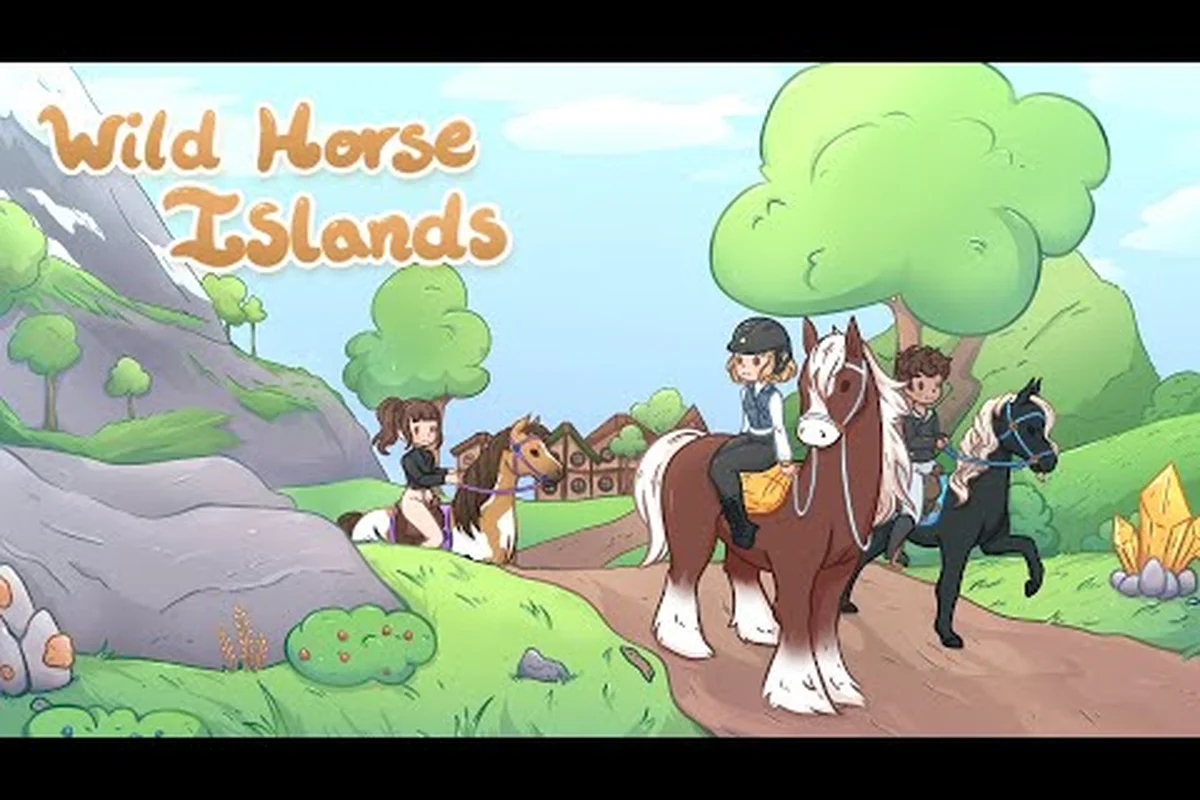
Watch the official trailer — it shows the game's visual style and core activities
The money-making loop on Pinehaven is straightforward: catch horses, sell them, buy better gear, catch rarer horses. As your stable grows, you can start breeding for better stats and rarer coats, which sell for significantly more. The AFK money guide explains how some players automate resource gathering, though you'll want to master the basics first.
Training your horses becomes available after you've caught a few, and it's essential for racing and breeding. Each horse has stats that improve through training activities on Training Island. The beginner guide covers the full progression path in more detail, including when to unlock new islands and what to prioritize.
The Beginner Mistakes That Slow Your Progress
Pinehaven's Starter Economy: Selling Your First Catch
Your first hour on Pinehaven is about converting wild catches into starting capital. Each extra horse you sell at the Pinehaven market stall earns coins, but the value varies by breed and coat rarity—a common Quarter Horse might net you 50-100 coins, while a rare coat pattern can fetch 300+. Compare this to selling island resources like pinecones and sticks, which stack up slower but require zero taming time. Prioritize catching 3-4 horses, selling the duplicates, and keeping your best-stat starter for training. This early coin buffer funds your first saddle, bridle, and feed purchases before you explore deeper islands.
The 659M-Visit Retention Loop: Why Players Stay
With 659 million visits and a 92% positive rating, Wild Horse Islands' retention hinges on its breeding and collection mechanics rather than combat. The game launched June 22, 2021, and its longevity comes from the coat-color rarity system—each breed has 20+ possible coat patterns, with certain "fantasy" coats (like the unicorn-style variations) appearing at roughly a 1-in-500 catch rate. Compare this to other Roblox pet-collectors that rely on pay-to-win progression; here, the two-account AFK farming cap and no-gambling rule keep the economy skill-based. The 649K favorites count suggests players return specifically for the trading meta, where rare coats become currency.
| Video | Author | Duration | Validated |
|---|---|---|---|
| Wild Horse Islands - Trailer | Wild Horse Islands | 0:47 | Passed |
| BEGINNERS GUIDE TO WILD HORSE ISLANDS - Pinehaven | Abigail Pinehaven | 15:00 | Passed |
Every new player makes mistakes, but knowing what they are beforehand saves you time and coins. The most common errors come from rushing into advanced systems before mastering the basics—for instance, spending your starting 500 Coins on a random Island purchase instead of saving for a Starter Horse, or immediately attempting to tame a Tier 5 wild horse without the required Lasso level and Bonding stat, which leads to repeated buck-offs and wasted Carrots. Understanding the taming minigame timing and the coat rarity odds before you invest will prevent the frustration of burning through your early Apple supply on horses you can't yet keep.
The biggest pitfalls include rushing to buy a high-tier island before unlocking the Pearl Oyster and Mossy Rock spawns, which new players often mistake for early-game money-makers but actually require mid-game tools. Another common mistake is ignoring the Starter Island quests—they grant essential Rare horse coats and Breeding Tokens that speed up your first Arabians. Finally, wasting Golden Apples on random horses instead of saving them for the Friesian or Clydesdale events stalls your progression significantly.
-
Wasting treats on horses you can't keep — check your stable capacity before feeding
-
Ignoring the market stand — selling items and horses is your primary income source
-
Skipping the tutorial prompts — they teach mechanics you'll use for hundreds of hours
-
Buying expensive gear too early — starter equipment works fine until you have steady income
-
Not learning the trade value system — you'll overpay for horses if you don't understand rarity
The taming mistakes are particularly costly because they waste both time and resources. Throwing your lasso from too far away gives the horse time to run, while approaching too quickly spooks it entirely. The horse catching guide breaks down the exact approach pattern that works consistently.
Another common error is neglecting your horse's needs. Horses in this game require food and care, and neglecting them affects their performance and happiness. Always carry apples or carrots, and check your horses' status indicators regularly. In the early game, a starving horse will refuse to jump or sprint during island races, directly costing you the win and slowing your breeding progress toward rare coats like the Marwari. Keep a stack of apples in your hotbar at all times, and make it a habit to feed your horse after every teleport or race—hunger drains faster than you expect, especially when you are grinding for the Arabian or Fjord breeds.
Frequently Asked Questions
How long does it take to catch your first horse in Wild Horse Islands?
Most players catch their first horse within 5-10 minutes of starting. The tutorial walks you through the process, and Pinehaven has plenty of horse spawns. The key is approaching slowly, throwing your lasso at the right distance, and feeding treats to build the bond.
Can you play Wild Horse Islands on mobile devices?
Yes, Wild Horse Islands works on both iOS and Android through the Roblox mobile app. The mobile controls include a virtual joystick, camera drag, and dedicated buttons for lasso and interaction. Many players find mobile controls comfortable after a short adjustment period.
Is Wild Horse Islands free to play?
The game is completely free to play on Roblox. While optional Robux purchases exist for gamepasses and cosmetics, you can access all core content — catching, breeding, training, and trading — without spending anything. The 92% positive rating reflects that the free experience feels complete.
What age is Wild Horse Islands appropriate for?
Wild Horse Islands suits children around 8 and up. The game has no combat or violence, and the mechanics are simple enough for younger players to learn. Parents should note that trading chat exists, though Roblox's chat filters apply, and the developer enforces strict anti-scam rules.
How do you make money fast in Wild Horse Islands?
The fastest early-game money comes from catching horses and selling them at your market stand. Focus on catching common horses, selling duplicates, and saving coins for stable upgrades. As you progress, breeding horses with good stats and rare coats generates significantly higher income.