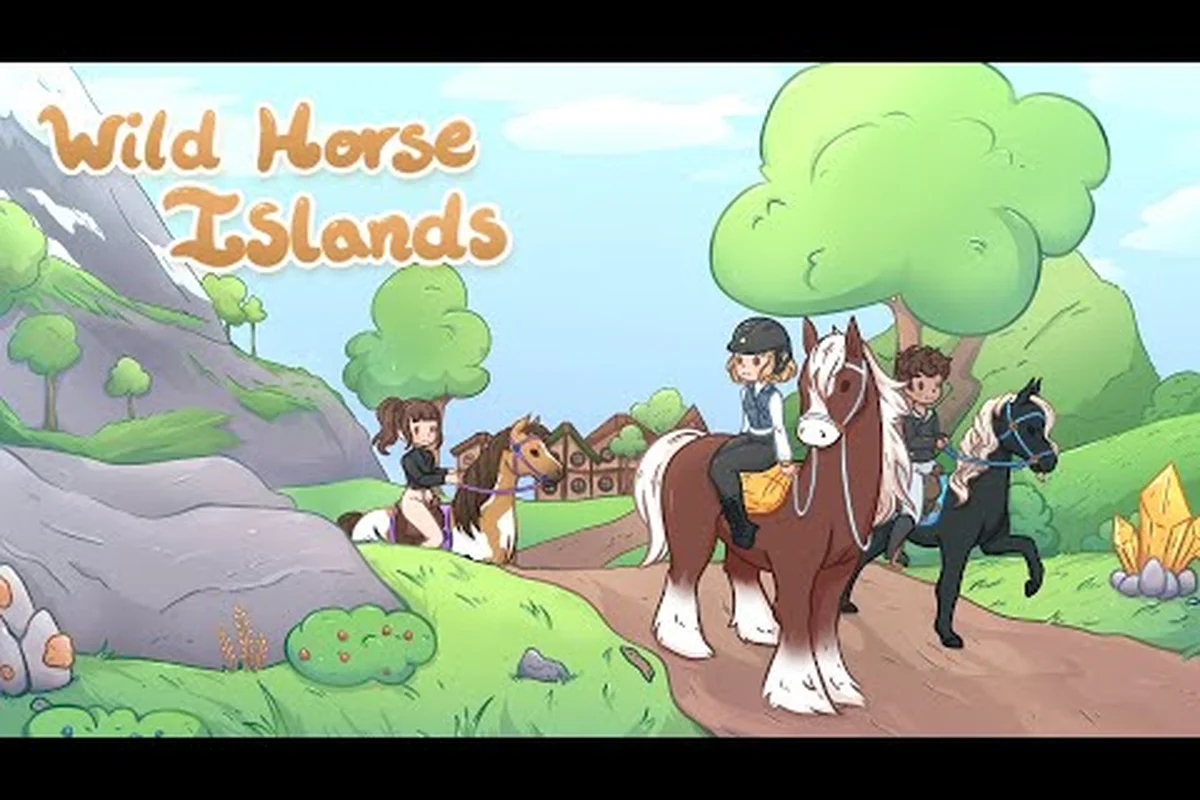
The Wild Horse Islands early game guide covers far more than catching your first pony on Pinehaven. With over 659 million visits since its June 2021 launch, this Roblox adventure has a progression loop that stretches from your first tame all the way to breeding rare coats and racing for leaderboard times. Knowing what comes after the tutorial phase is what separates players who stall at mid-game from those who reach endgame wealth and collections.
Most new players assume the game ends once they own a few horses, but the real depth appears when you understand the full arc: early game focuses on survival and basic taming, mid-game shifts to training efficiency and coat collecting, and late game revolves around breeding, trading, and rare horse acquisition. This wild horse islands everything you need to know breakdown maps that entire journey so you can plan your play sessions instead of wandering aimlessly between islands.
Early Game Foundations on Pinehaven
Your journey begins on Pinehaven, the starter island where you learn the taming, feeding, and bonding mechanics that carry through the entire game. The official Roblox game page describes this as a horse-collecting adventure where you catch wild horses, then train, breed, trade, and race them — and every one of those systems unlocks in a specific order during your first few hours.
The first critical decision is choosing which horse to tame. Early game horses spawn with common coats, but their stat potential varies based on breed and individual rolls. You want a horse with balanced speed and stamina stats because those two attributes determine your ability to traverse islands efficiently and complete training activities without constant rest stops.
Key early game priorities:
-
Complete the tutorial quests to unlock the taming brush and food pouch — these tools are non-negotiable for catching horses efficiently.
-
Save your starting coins instead of buying cosmetic items. The basic saddle and bridle are the only purchases that matter in the first hour.
-
Learn the taming minigame mechanics early. Each wild horse has a trust meter that fills as you approach slowly, brush, and feed it. Rushing this process spooks the horse and resets progress.
-
Unlock the stables system by taming at least three horses. Stables let you store horses you aren't actively using, which frees up your active slots for new catches.
The bonding system deserves special attention because it gates your ability to equip better gear. Each horse gains bond levels as you ride, feed, and groom it, and higher bond levels unlock additional stat bonuses. A horse with max bond performs noticeably better than an identical horse with zero bond, so rotate your active horses regularly rather than favoring one mount.
Mid Game Guide: Training and Island Progression
Pinehaven's Starter Horse: Saddle Up Without Spending a Coin
Your first catch on Pinehaven is free—no lasso purchase required. The game's June 22, 2021 launch (ID 6989310863) placed this starter island as the tutorial hub for the taming and training systems. Instead of buying a horse, catch any wild one you spot to learn the taming minigame. Sell duplicate horses to earn your first money, then reinvest in a basic saddle and bridle. This zero-cost start lets you practice the catch mechanic repeatedly, building muscle memory before you face the tougher wilds on later islands.
Training Receipts: The Currency of the Training Island
Training receipts are the backbone of the training island's progression system. Each completed activity—whether it's a race or an obstacle course—yields receipts that you can redeem for exclusive gear and upgrades. Prioritize activities that offer the highest receipt-per-minute ratio; races typically outperform obstacle courses for speed. For example, a 3-minute race might net 15 receipts, while a 5-minute course gives 20. That's 5 receipts per minute versus 4, so racing wins. Stack your sessions to unlock rare tack sets faster, then sell surplus receipts to other players for a steady income stream.
| Starter Island Activity | Typical Early-Game Income | Time Investment | Best Use of Earnings |
|---|---|---|---|
| Catching & selling wild horses | ~50–150 per horse | 2–5 min per catch | Save for first saddle & feed |
| Selling gathered resources | ~10–30 per stack | 5–10 min per route | Buy basic tack & island travel |
| Completing Pinehaven tutorial tasks | ~100–200 total | 15–20 min | Unlock training & breeding basics |
| First training session on a caught horse | ~50–100 per level | 5–8 min per level | Reinvest into better feed & gear |
Once you have a stable of three to five horses, the wild horse islands mid game guide phase begins. This is where the game opens up dramatically — new islands become accessible, training mechanics deepen, and the economy starts to matter. The training system is the backbone of mid-game progression because trained horses sell for significantly more than untrained ones.
Training happens through a series of activities that improve specific stats. Each horse has speed, stamina, strength, and agility stats, and different training activities target different attributes. The training island offers structured courses, but you can also train by simply riding your horse across long distances or practicing jumps in open areas.
Training activity breakdown:
| Activity | Primary Stat | Time Investment | Difficulty |
|---|---|---|---|
| Sprint Courses | Speed | 3-5 minutes | Easy |
| Endurance Runs | Stamina | 5-8 minutes | Medium |
| Weight Pulling | Strength | 4-6 minutes | Medium |
| Obstacle Courses | Agility | 6-10 minutes | Hard |
| Trail Riding | All Stats (small gains) | 10+ minutes | Easy |
The training receipt system tracks your progress and rewards you with items when you complete specific milestones. These receipts are tradeable, which makes them a viable income source for players who enjoy the training loop. According to community reports, dedicated trainers can earn more from selling training receipts than from catching and selling wild horses.
Island progression follows a logical difficulty curve. After Pinehaven, you unlock access to islands with higher-level wild horses and better coat variations. Each new island requires either a boat fee or a level requirement, so you need to balance saving coins against exploring new territory. The mid-game trap is spending all your coins on travel before your horses are trained enough to earn that money back.
Late Game Guide: Breeding and Rare Coats
AFK Farming Safely Within the Two-Account Limit
The official Player Rules cap AFK farming at two accounts per player. Running a third risks a ban for exploiting, so plan your idle strategy carefully. A common setup: one account parked at a Pinehaven spawn point to catch low-tier horses while your main trains on another island. This doubles your resource income without violating the cap. Remember, cross-trading—swapping in-game items for Robux or real money—is strictly forbidden, so never offer your AFK-farmed horses for outside currency. Keep both accounts under your control to stay compliant.
Rare Coat Breeding: The Odds Behind the Hype
Breeding for rare coats is a numbers game. The game's breeding system assigns coat colors based on parent genetics, but the odds for a rare coat—like a pearl or a unique pattern—are notoriously low, often below 5% per attempt. To maximize your chances, breed two horses that both carry the rare coat's recessive gene; this can double your odds compared to breeding a rare with a common. For example, pairing two pearl-carriers might yield a 10% chance, versus 5% with one carrier. Track your successful pairings in a spreadsheet to identify which bloodlines produce the best results, then trade those proven breeders for premium horses in the trading chat.
The wild horse islands late game guide centers on the breeding system, which is where the game's deepest progression lives. Breeding lets you combine two horses to produce offspring with inherited traits, and the goal is to produce horses with rare coat patterns and high stat rolls. This is also where the trading economy really comes alive.
Breeding requires breeding tokens, which you earn through gameplay or purchase with coins. Each breeding attempt consumes tokens from both parent horses, so you need to be strategic about which horses you breed. The offspring inherits a mix of traits from both parents, with rarer coats having lower inheritance odds.
Breeding rarity tiers:
| Coat Tier | Example Coats | Inheritance Odds | Market Value |
|---|---|---|---|
| Common | Bay, Chestnut, Black | 60-70% | Low |
| Uncommon | Palomino, Buckskin, Roan | 40-50% | Moderate |
| Rare | Pearl, Silver, Champagne | 20-30% | High |
| Very Rare | Pearlino, Silver Dapple, Cremello | 10-15% | Very High |
| Legendary | Event Exclusive, Unique Patterns | 5-8% | Extremely High |
The coat market operates on supply and demand. Legendary coats from limited-time events hold their value because the supply is capped, while common coats fluctuate based on how many players are actively breeding. Community reports suggest that the best time to sell rare coats is during new updates when player activity spikes and demand increases.
Breeding strategy matters more than luck in the long run. Successful breeders maintain a breeding stock of horses with complementary traits — one parent with high speed stats, another with rare coat genetics — and they track lineage to avoid inbreeding penalties. The game doesn't explicitly punish inbreeding, but community testing suggests that offspring from closely related parents roll lower stat ranges.
Endgame Guide: Trading, Events, and Collection Goals
The wild horse islands endgame guide phase is about optimization and collection. By this point, you should have a solid stable of trained horses, a breeding program producing rare coats, and enough coins to participate in the trading economy. Endgame players focus on three main pillars: trading profitably, completing collections, and competing in events.
Trading is the fastest path to wealth in the endgame, but it requires market knowledge. The trading chat is where most deals happen, and understanding value ratios is essential. A horse's value depends on coat rarity, stat rolls, training level, and bond level — a perfectly trained common coat can outvalue a poorly trained rare coat because stats matter for racing and breeding.
Endgame collection goals:
-
Complete the coat collection by owning at least one horse of every available coat pattern. This is a long-term goal that requires both breeding luck and trading acumen.
-
Build a racing team of three to five horses with maxed speed and stamina stats. Racing events reward top finishers with exclusive items and tokens.
-
Accumulate event-exclusive horses during limited-time updates. These horses often become the most valuable items in the game once the event ends.
-
Maintain a breeding operation that produces at least one rare coat per week. Consistent breeding income beats occasional big trades.
The event system drives most endgame activity. Seasonal updates introduce new islands, limited-time coats, and special quests that reward exclusive items. The official Wild Horse Islands YouTube channel posts trailers and update previews, so following it keeps you informed about upcoming events before they launch. Players who prepare for events — saving coins, stocking breeding tokens, and keeping stable space open — consistently come out ahead.
Progression Strategy and Common Mistakes
Understanding the full progression arc is one thing, but executing it efficiently is another. The most common mistake players make is rushing to new islands before their current horses are trained. A trained common horse outperforms an untrained rare horse in every meaningful activity, so training should always come before exploration.
Recommended progression checklist:
-
Hours 1-5: Complete Pinehaven quests, tame 3-5 horses, learn the taming minigame, save coins for basic gear.
-
Hours 5-15: Unlock the training island, train your best horse to mid-level stats, start saving for island travel fees.
-
Hours 15-30: Access new islands, catch higher-tier wild horses, begin breeding common coats to learn the system.
-
Hours 30-50: Build a breeding program, start trading in the market, participate in your first events.
-
Hours 50+: Focus on rare coat production, racing team optimization, and event-exclusive collections.
The private server option deserves consideration if you find public servers too crowded or laggy. A private server gives you exclusive access to spawns and resources, which can accelerate your early game progression significantly. Check the private server settings guide to understand which settings matter most for progression efficiency.
Another common mistake is ignoring the bonding system in favor of catching new horses. Bond levels provide passive stat bonuses that compound over time, and a max-bond horse is worth substantially more in trades. Rotate your active horses during training sessions so every horse in your stable gains bond levels, not just your favorite mount.
Frequently Asked Questions
How long does it take to reach the endgame in Wild Horse Islands?
Most players reach the endgame phase after 50 to 80 hours of active play, depending on how efficiently they train and breed. Players who focus on trading can accelerate this timeline, while casual players may take 100+ hours. The wild horse islands early game guide phase typically lasts 5-10 hours.
What is the best horse breed for beginners?
The Mustang breed is the best starting choice because it has balanced stats and appears frequently on Pinehaven. Its speed and stamina stats are solid enough for early island travel, and its common coat makes it easy to replace if you find a better roll.
How do I earn coins quickly in the early game?
Selling extra horses is the fastest early game income source. Catch horses, train them to at least level 5, then sell them at the market. Training receipts also sell well once you unlock the training island. Avoid spending coins on cosmetics until your stable is established.
Can I trade horses with other players?
Yes, trading is a core mechanic. You can trade horses, items, and breeding tokens with other players through the trading interface. Always check the official Wild Horse Islands Player Rules to understand what trading practices are allowed and avoid scams.
What should I focus on first: breeding or training?
Training comes first. Untrained horses hold low value regardless of coat rarity, so level your initial stable to at least 10 on Pinehaven before spending tokens on breeding. Once trained, breeding becomes the most profitable activity—but only after mastering the training system and island progression first.