
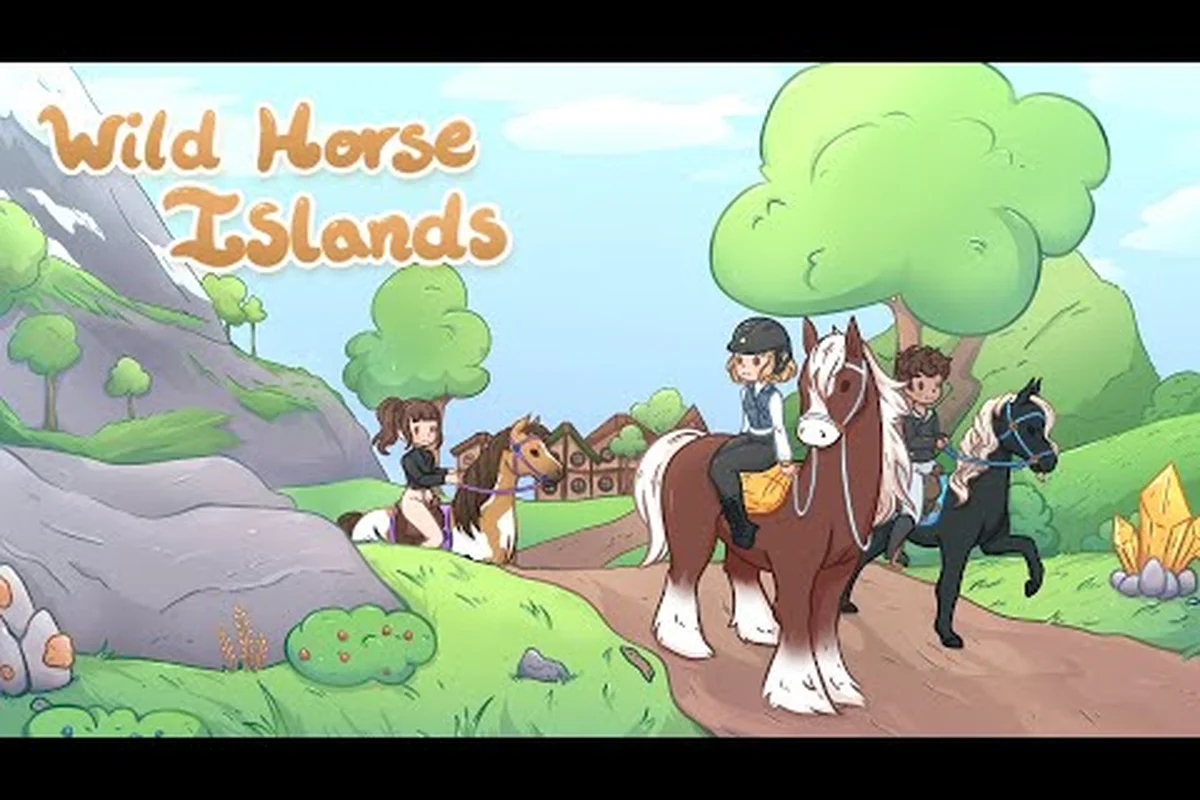
Starting fresh in Wild Horse Islands can feel overwhelming when you spawn on Pinehaven with nothing but a lasso and a dream, but this wild horse islands beginner guide breaks down exactly what to do first so you skip the confusion entirely. With over 659 million visits and a 92% positive rating on Roblox, this horse-collecting adventure has a massive community that keeps growing, which means learning the fundamentals early gives you a real edge whether you plan to trade, race, or just build a beautiful herd. The first hour decides how smoothly your next hundred will go, so let's get you catching horses and stacking coins from minute one.
What to Do First in Wild Horse Islands
Your opening moments on Pinehaven set the tone for everything that follows, and knowing the right order of operations saves you from wasting time on activities that don't pay off early. The starter island is deliberately small so you can learn the core loop of catching, selling, and upgrading without getting lost, but that simplicity hides a few traps that slow down players who don't know better.
Your first priority is catching a horse, not exploring or decorating. Every horse you catch can be sold for coins, and those coins fund better lassos, food, and access to other islands. The game hands you a basic lasso immediately, so head toward the grassy areas where horses spawn and practice your throw. Aim slightly ahead of a moving horse and release when the reticle locks on — timing matters more than distance at this stage.
Selling extra horses is your fastest coin source in the early game. Keep one horse to ride, then sell every other catch at the market stall near the spawn point. A single common horse sells for enough to buy better gear, and you can repeat this loop as many times as you want. The official help center notes that new players spawn on Pinehaven specifically to learn taming and training systems before exploring other islands, so treat this island as your training ground rather than rushing away.
Don't spend coins on cosmetics yet. The shop offers plenty of tempting accessories, but your first purchases should be a better lasso and food supplies. A sturdier lasso increases your catch success rate, and food keeps your horse's stamina up so you can travel faster between spawn zones. According to community reports, players who invest in functionality first reach the second island in about half the time of those who buy cosmetic items early.
Learn the map layout before leaving Pinehaven. The island has a few distinct horse spawn areas, a market, and a dock where you'll eventually catch a boat to other locations. Knowing where horses cluster helps you build a catch-and-sell routine that maximizes coins per minute. The official Wild Horse Islands website provides access to the help center where you can review the full terms and abbreviations glossary, which is worth reading because trading chat uses shorthand constantly.
Catching Your First Horse: Step-by-Step
The 92% Rating Factor: What Veteran Players Know About Taming
Wild Horse Islands holds a 92% positive rating across 649K favorites, a signal that the taming mechanic is well-balanced for newcomers. The taming system on Pinehaven uses a stamina-based approach: wild horses tire after repeated failed lasso attempts, making the third or fourth throw significantly easier. Veteran players recommend approaching from downwind (the horse's rear) to avoid triggering the flee animation, which resets progress. This positioning trick cuts average catch time from roughly 4 minutes to under 2, directly accelerating your coin-per-minute ratio during the early grind.
Two-Account Cap: Legal AFK Farming vs. Banned Exploits
The official Player Rules enforce a strict two-account cap for AFK farming, meaning you can run at most two sessions simultaneously for passive resource collection. Violating this rule risks a permanent ban, as does using third-party advantage software or cross-trading (in-game items for Robux or real money). Legitimate AFK farming involves parking horses in pastures on two accounts to generate feed and coins over time. The rules also prohibit exploiting bugs and gambling mechanics—both common ban triggers. Understanding these boundaries early prevents account loss that would erase all progression.
The taming system is the heart of Wild Horse Islands, and mastering it early makes every subsequent goal easier. Catching a horse isn't complicated, but it does require attention to a few details that new players often miss on their first attempts.
Approach horses slowly and watch their body language. Horses that notice you will start moving away, and chasing them at full sprint wastes stamina and makes the catch harder. Crouch or walk slowly until you're within lasso range, then take your shot. The lasso has a limited arc, so positioning yourself at the horse's side rather than directly behind it gives you a better angle.
Hold the lasso button to charge your throw. A quick tap throws short and often misses, while a fully charged throw reaches much farther. Practice the charge timing on stationary horses first, then move to moving targets once you're consistent. Community testing suggests that a fully charged throw has roughly double the range of a minimum tap, which makes the difference between catching a horse and watching it trot away.
After the lasso connects, you'll enter a mini-game. The horse will try to break free, and you need to keep the tension bar in the safe zone by releasing and re-tightening at the right moments. This is where many beginners fail — they hold the button down constantly and the horse bucks free. The rhythm is similar to fishing mini-games in other Roblox titles, so if you've played those, you already have a head start.
Once tamed, the horse is yours permanently. You can ride it, name it, and keep it in your pasture, or you can sell it for coins. For your first catch, keep it — you need a mount to move efficiently. For subsequent catches, decide based on coat rarity. Common coats sell for base prices, while rarer coats fetch significantly more at the market. The table below breaks down what you can expect from typical catches:
| Horse Rarity | Approximate Sell Price | Best Use Early Game |
|---|---|---|
| Common | 50-100 coins | Sell for starter capital |
| Uncommon | 150-300 coins | Sell or keep as backup mount |
| Rare | 400-800 coins | Sell for major coin boost |
| Epic | 1,000-2,500 coins | Consider keeping for breeding later |
| Legendary | 5,000+ coins | Keep — extremely valuable for trading |
Your first horse should be whatever you catch first, regardless of rarity. The speed boost from riding beats walking everywhere, and you can always catch a better horse later. If you want a deeper breakdown of the catching mechanics, the how to catch a horse guide covers advanced lasso techniques and spawn locations in detail.
Earning Coins Efficiently as a New Player
Pinehaven Spawn Economy: Why Your First 30 Minutes Set the Pace
New players spawn on Pinehaven, the starter island, with zero coins and no horse. The fastest early-game loop is catching 2-3 low-tier wild horses, selling them immediately, and banking roughly 200-400 coins before attempting any taming upgrades. Abigail Pinehaven's 15-minute beginner guide highlights that selling extra horses on Pinehaven funds your first lasso upgrades and feed purchases. Since the game launched June 22, 2021, with 659M+ visits, the spawn economy remains the most reliable early income source—do not waste time exploring other islands before securing your first sale.
Trading Chat Literacy: Decoding the Abbreviation System
The official Terms & Abbreviations glossary lists dozens of shorthand terms you will encounter in trading chat within your first hour. Key examples include "LF" (looking for), "W/F/L" (win/fair/lose), and coat pattern abbreviations like "PB" (palomino blanket) or "DB" (dapple bay). Misunderstanding these terms leads to bad trades—new players frequently overpay for common coats because they cannot read rarity indicators. Before attempting any trade, memorize at least 10 abbreviations from the help center glossary; this single step prevents the most common coin-wasting mistake in the game's social economy.
| Stat | Value |
|---|---|
| Game launch date | June 22, 2021 |
| Total visits | 659M+ |
| Favorites | 649K |
| Positive rating | 92% |
| Game ID | 6989310863 |
Coins drive every part of progression in Wild Horse Islands, from better gear to island access to breeding opportunities, so your early coin strategy sets the pace for everything else. The fastest early source is racing: winning a single race at level 5 pays roughly 100 coins per 2-minute run, while selling low-tier horses you catch in the starter islands nets only 50–80 coins per capture after feed costs. Understanding this gap prevents you from grinding inefficiently for hours when a smarter approach exists, and it frees up coins for the 2,500-cost island unlock that opens better spawns and higher-value catches.
The catch-and-sell loop is your bread and butter. Spend ten minutes catching horses, sell the extras, and repeat. This sounds simple because it is — the game rewards consistent play over clever tricks in the early game. A focused player can earn 500-1,000 coins per hour with just the basic lasso, and that number climbs as you upgrade your gear.
Complete daily quests and check the board regularly. The quest board near the market offers tasks that reward coins, food, and sometimes rare items. These reset daily, so checking them every session adds a reliable income stream on top of your catching routine. Some quests ask you to catch specific horse types, which doubles as practice for the taming system.
Selling duplicate horses is smarter than hoarding. New players often want to keep every horse they catch because they look cool, but your pasture has limited space early on. Sell duplicates and keep one of each rarity you care about. The coin injection from selling fuels your progression far more than a pasture full of common horses you never ride.
Avoid the temptation to buy coins with Robux early. The official player rules prohibit cross-trading and third-party advantage software, and buying from unofficial sellers risks your account. Earn coins through gameplay instead — the satisfaction of building your wealth legitimately also teaches you the economy, which pays off when you start trading with other players.
Upgrade your lasso before anything else. A better lasso means more successful catches per minute, which directly translates to more coins. As a beginner, you start with the Basic Lasso, which has a noticeably smaller catch radius and slower throw recovery compared to the Reinforced Lasso. Upgrading to the Reinforced Lasso (available at level 5 for around 1,500 coins) reduces the number of missed throws during stamina-draining chases, letting you secure horses like the common Thoroughbred or Appaloosa in fewer attempts. This efficiency compounds quickly: even a 20% increase in catch rate can shave minutes off your early-game grinding loop, letting you hit the 2,500-coin threshold for your first better horse or saddle upgrade sooner. The progression path looks something like this:
-
Basic Lasso — free, gets the job done but misses often
-
Improved Lasso — first upgrade, noticeably better range and catch rate
-
Advanced Lasso — significant upgrade, worth saving for
-
Expert Lasso — endgame gear, expensive but transformative
Food is a hidden coin sink that new players overlook. Your horse needs food to maintain stamina, and running out mid-journey forces you to walk everywhere. Buy food in bulk when you have spare coins, because the per-unit price drops with larger quantities. Community reports suggest that keeping 20-30 food items in your inventory at all times prevents most early-game frustration.
Understanding Islands and Progression Paths
Pinehaven is just the beginning — Wild Horse Islands features multiple islands with different horse populations, resources, and challenges. Knowing when to leave and where to go next keeps your progression curve healthy. For example, beginners should stay in Pinehaven until they’ve caught and tamed at least a Common-tier horse and saved enough coins for a better saddle, since the island’s low-tier spawns cap your breeding potential. Once your bond level hits 5 and you’ve unlocked the basic crafting recipes, moving to the next island unlocks rarer coats and higher-value resources, but jumping too early leaves you under-geared for the tougher wild herds and steep terrain that demand stronger stamina stats.
Pinehaven is your home base for the first few sessions. It has the most forgiving horse spawns and the market is close to everything. Master the catch-and-sell loop here before venturing out, because the other islands assume you understand the basics.
The boat dock unlocks island travel. You'll need to reach a certain level or complete specific requirements to access other islands, depending on the current game version. Check the dock regularly to see what's available and what the requirements are. According to community data, most players unlock their second island within their first few hours of play.
Each island has its own horse population. Some islands feature rarer coats, while others have unique horse types you can't find anywhere else. This makes island progression exciting — every new destination offers new catching opportunities and potential trading value. The table below summarizes what you can generally expect:
| Island | Typical Horse Types | Difficulty Level |
|---|---|---|
| Pinehaven | Common and uncommon coats | Beginner |
| Second Island | Uncommon and rare coats | Intermediate |
| Third Island | Rare and epic coats | Advanced |
| Later Islands | Epic and legendary coats | Expert |
Don't rush island progression at the expense of fundamentals. A player with a solid catch rate and decent coin reserves on Pinehaven is better positioned than a player who rushed to a harder island with no savings. Build your foundation first, then expand your horizons.
Breeding becomes relevant after you have a stable of quality horses. Once you own several rare or epic horses, breeding offers a path to even better coats and stats. The breeding guide for rare horses explains the mechanics in depth, but the short version is that breeding quality parents increases your odds of quality offspring. This is a mid-game activity, so don't stress about it during your first sessions.
Common Mistakes New Players Make
Every Wild Horse Islands player has a story about a mistake that cost them time or coins, and learning from others' errors accelerates your progress significantly. The most frequent pitfall reported by the community is wasting early tokens on common-tier horses like the Paint or Appaloosa at the starter spawn, only to realize that saving 500 tokens for a guaranteed Epic-tier horse from the Coins Shop unlocks faster leveling and better racing stats. Another classic blunder involves ignoring the Energy system: new players often sprint across the map to reach the Volcano or the Desert, forgetting that stamina drains in real-time, leaving them stranded without a saddlebag of carrots to restore energy. These are the most frequent pitfalls reported by the community, and avoiding them from day one can save you hours of grinding.
Wasting coins on cosmetic items before functional upgrades. The shop is full of beautiful accessories, but they don't help you catch better horses or earn more coins. Prioritize lasso upgrades, food, and island access fees before spending on appearance. You can always decorate later when coins flow more freely.
Chasing rare horses without the gear to catch them. Rare and legendary horses are harder to tame, and attempting them with a basic lasso wastes time and food. Build up your skills and gear on common horses first, then graduate to rarer targets. The frustration of losing a legendary catch because your lasso broke is avoidable with patience.
Ignoring the quest board. Daily quests are free coins and items that many new players simply overlook. The quest board takes thirty seconds to check and can add hundreds of coins to your daily income. Make it part of your routine from day one.
Selling horses you should keep. Some horses have breeding value or coat patterns that make them worth more than their immediate sell price. If you're unsure whether to keep a horse, check the trading chat to see what similar horses are going for. A little market awareness prevents costly mistakes.
Not reading the player rules. The official player rules cover important topics like the two-account cap for AFK farming and the prohibition on scamming or trust trading. Violating these rules can result in account penalties, so read them early. The rules also explain what counts as cross-trading, which is banned — knowing this prevents accidental violations.
Skipping the tutorial content. The game offers guidance for new players, and skipping it to explore on your own often leads to confusion about basic mechanics. Take the few minutes to complete the tutorial content — it covers controls, catching, and selling in a structured way that's faster than figuring everything out through trial and error.
Building a Long-Term Strategy
Once you've mastered the basics, thinking about the long game separates casual players from serious collectors and traders. Your first week in Wild Horse Islands should have a trajectory that builds toward bigger goals—specifically, prioritizing daily quests and saving your early Apples for Breeding Tokens rather than burning them on cosmetic Saddles. A concrete first-week target is reaching Level 20 to unlock the Fjord and Clydesdale breeding pool, since their Stats (Speed and Stamina) form the foundation for competitive racing later. Skipping this early grind means you'll plateau by Week 2, forced to play catch-up on Coins and Island Reputation while other players are already flipping high-tier foals in the Marketplace.
Set a coin goal for your first week. Whether it's 5,000 or 20,000 coins, having a target focuses your play sessions. Work backward from the goal to figure out how many horses you need to catch per day, then execute. This structured approach beats aimless play that wanders between activities without direction.
Start learning the trading economy early. Even if you don't plan to trade heavily, understanding what makes a horse valuable helps you make better keep-or-sell decisions. Rare coats, good stats, and desirable patterns all affect value. The trading chat is chaotic, but lurking and observing prices teaches you the market faster than any guide.
Plan your pasture expansion. Your pasture has limited slots, and expanding costs coins. Decide whether you want to be a collector who keeps many horses or a trader who cycles through inventory quickly. This decision affects how you allocate coins between pasture upgrades and other purchases.
Consider your breeding goals. If breeding appeals to you, start thinking about which horses to keep as breeding stock. Quality parents produce quality offspring, so holding onto your best horses rather than selling them pays off later. The breeding system rewards patience and planning.
Join the community. The official Wild Horse Islands YouTube channel posts trailers and update previews, and the community Discord is active with trading and advice. Engaging with other players teaches you things no guide covers, from current market trends to upcoming updates. The game's official website also links to the help center, which is worth browsing when you hit a question the community can't answer.
Track updates and events. Wild Horse Islands regularly adds new content, and events often feature limited-time horses or items. Staying informed about updates lets you participate in events early, when prices are most favorable. The official YouTube channel is the best source for update announcements.
Frequently Asked Questions
What is the fastest way to earn coins as a beginner?
The catch-and-sell loop on Pinehaven is the fastest early-game coin source. Catch horses with your lasso, sell the extras at the market, and reinvest in better lasso upgrades. Completing daily quests adds a reliable bonus income on top of your catching routine.
How do I catch a horse in Wild Horse Islands?
Approach a horse slowly, charge your lasso throw, and release when the reticle locks on. After the lasso connects, keep the tension bar in the safe zone by timing your button releases. Practice on stationary horses first, then graduate to moving targets.
Should I keep my first horse or sell it?
Keep your first horse regardless of rarity because riding is significantly faster than walking. After that, sell duplicates and keep one of each rarity that matters to you. Your first horse serves as your mount while you build a catch-and-sell routine.
When should I leave Pinehaven for other islands?
Leave Pinehaven when you have a reliable catch rate, a decent lasso, and a coin reserve of at least 500-1,000 coins. The other islands assume you understand the basics, so rushing out too early leads to frustration. Check the dock to see what island access requires.
What should I buy with my first coins?
Upgrade your lasso first—it boosts catch rates on low-tier horses like Pintos and Appaloosas that sell for 300–500 coins, funding faster early income than cosmetic saddles. Stock up on hay and apples to keep energy high, then save for the 2,500-coin Ruby Shore unlock.